 how-to
Why Late-Night Dining Is Popular for Social Groups
Table of Contents
- Why Late-Night Dining Is Popular for Social Groups
- The Social Connection: More Than Just Food
- Benefits of Social Dining After Hours
- Late-Night Group Dining Ideas for Every Occasion
- How to Plan a Group Dinner for Late-Night Success
- Best Food for Sharing With a Group
- What Venues Should Offer for Late-Night Group Dining
- Frequently Asked Questions
Last Updated: October 19, 2026
Why Late-Night Dining Is Popular for Social Groups
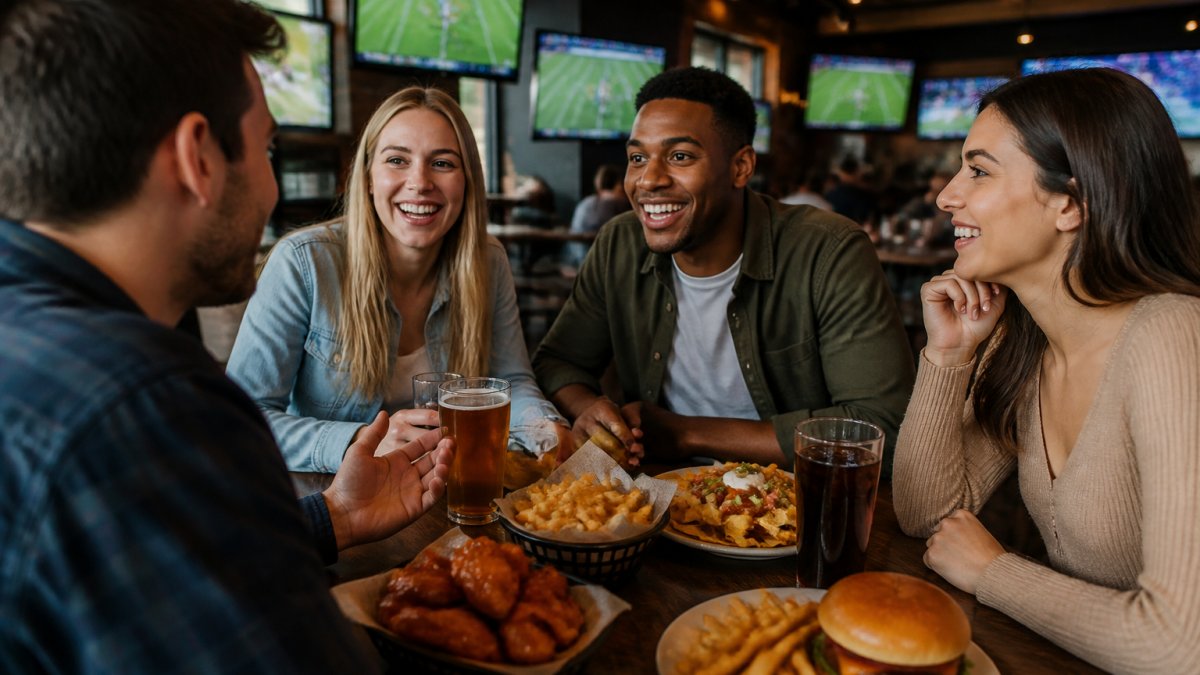
When friends gather after a game, a party, or a long study session, understanding why late night dining is popular for social groups reveals that food becomes the glue that holds the moment together. At Crowne Sports Bar & Grill, groups linger over wings and burgers instead of heading home.
The Social Connection: More Than Just Food
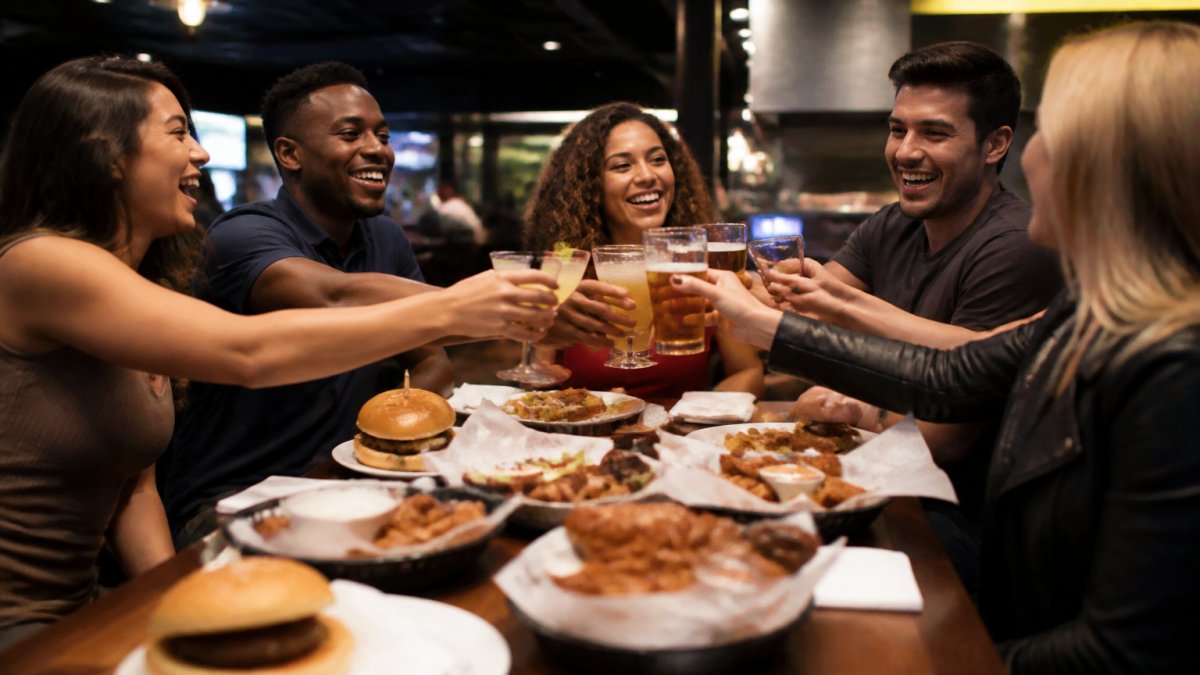
When a group grabs a late-night meal, they're not just eating, they're continuing a conversation, celebrating a win, or decompressing after work.
Why late night dining is popular for social groups is that it creates a natural reason to stay in one place. Nobody's rushing off, and the meal slows things down and deepens connection.
Many venues treat late-night food as an afterthought, something to sell, not somewhere to gather.
Benefits of Social Dining After Hours
Gathering for food after dark offers real advantages daytime meals don't: the pace is slower, the energy is different, and people are more relaxed and present.
Why late-night dining works for groups:
- Extends time together without forcing an agenda
- Creates a relaxed, informal atmosphere for conversation
- Offers flexibility for groups with different schedules
- Provides a natural endpoint to an evening out
- Gives night-shift workers and students a chance to eat with others
- Builds community through shared meals and shared space
Many people assume late-night dining is just about convenience, but groups choose it because the timing aligns with their lives. After a game, people want to decompress together; after a party, friends want to keep the energy going; after a study session, classmates want to celebrate finishing. Food becomes the vehicle for extending those moments.
The social benefits compound over time. Regular groups that gather at the same venue develop a sense of belonging, they know the staff, have favorite spots at the table, and know what to order. That familiarity turns a meal into a ritual.
Late-Night Group Dining Ideas for Every Occasion
Different occasions call for different approaches to group dining.
Post-Game Gatherings and Nightlife
After a game ends, groups of fans want to replay what they just watched, still talking about key plays and controversial calls.
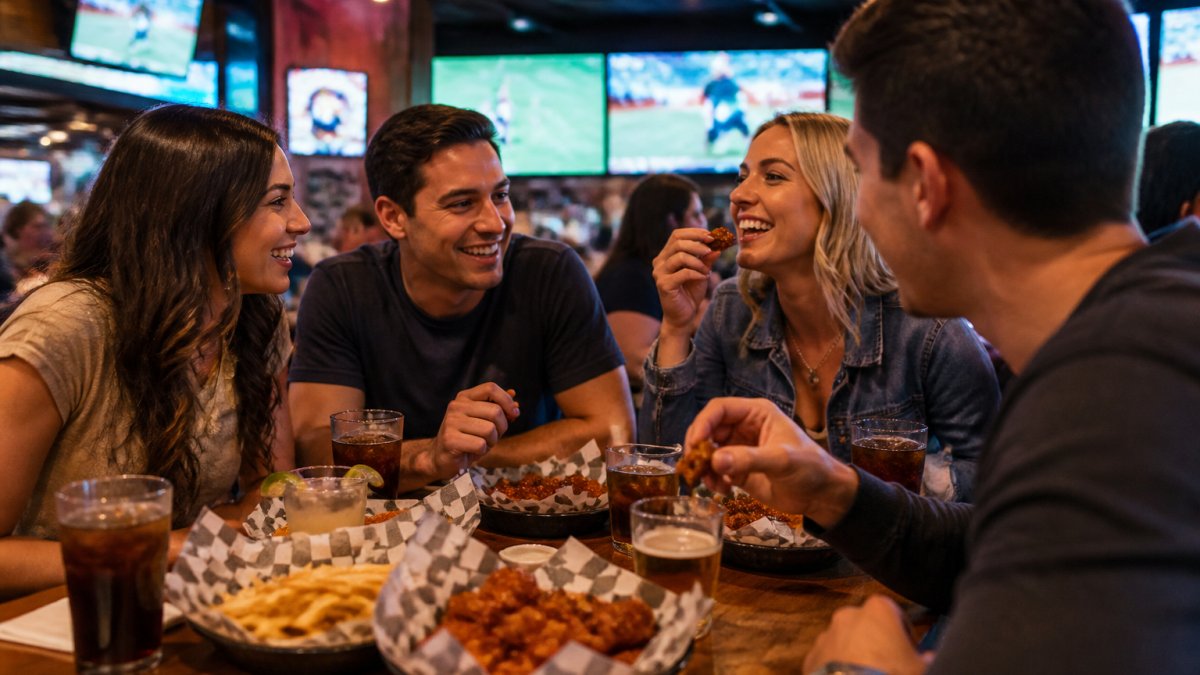
Crowne Sports Bar & Grill works well for post-game gatherings: multiple screens mean everyone can see replays, the casual bar setting lets groups spread out, and wings and burgers are easy to share and eat while talking.
Post-game dining also works after nights out: when friends finish at a concert or club, a late-night spot extends the evening without needing a new plan.
Fantasy Drafts and Celebration Nights
Fantasy football drafts, birthday celebrations, and team announcements all benefit from a dedicated gathering space with room to spread out, a place where people can hear each other, and food that keeps energy up through a longer evening.
Crowne Sports Bar & Grill handles groups with space and a menu for varied appetites. The casual atmosphere means groups don't feel rushed, and the late-night hours let the gathering last as long as the celebration warrants.
Study Sessions and Night-Shift Breaks
College students and night-shift workers need food when they're awake and working, often late at night. A venue genuinely cooking full menu items at 2 AM becomes a lifeline, not just a convenience.
Study groups need breaks, and a nearby spot serving real food (not just bar snacks) gives them a reason to step away from screens and reset. Night-shift workers face the same need: a place that understands their schedule and treats them like valued customers becomes part of their routine.
How to Plan a Group Dinner for Late-Night Success
A late-night group meal succeeds or fails on logistics: confirming the kitchen is actually cooking, matching the venue to your group size and budget, coordinating arrival times, handling dietary needs, and planning how everyone gets home. Here is a practical playbook.
Step 1: Verify Kitchen Hours, Not Just Open Hours
Many venues advertise late hours but wind down the kitchen earlier. Before you commit, call and ask: What time does the kitchen stop taking full-menu orders? Is the full menu available at your target arrival time?
Bars often stay open until 2 a.m. while the kitchen closes at 11 p.m. or switches to a reduced menu, the single most common source of group disappointment.
Step 2: Match Group Size, Budget, and Ordering Strategy
Group size drives everything else. Use these rough bands as a planning guide:
- 6-10 people: A single large table or two pushed-together four-tops works. Order 2-3 shared appetizers per four people, then individual entrees. This keeps costs predictable and avoids over-ordering.
- 11-20 people: Request a reserved section or a row of tables. Switch to family-style: order a mix of shareable platters (wings, sliders, tacos, fries) at roughly 3-4 pieces per person per round, then add a second round after 30-40 minutes rather than ordering everything at once.
- 20+ people: Ask about a set menu or per-person package. A fixed per-person price makes splitting the bill far simpler and prevents the awkward "who ordered what" problem.
On budget, set a per-person target before you arrive, including food, nonalcoholic drinks, tax, and a tip. Decide in advance whether you're splitting evenly or itemizing. Pick one method and tell the server up front.
Step 3: Coordinate Timing Across Different Schedules
Late-night groups rarely arrive at once, some come from a game that ran long, some from a shift that ended at 11 p.m., some from a party.
A useful tactic is to designate one organizer who texts the group the confirmed time, the venue address, and a parking note. For groups with night-shift workers, confirm whether the venue's late-night menu is still full-service at the hour they clock out, often 11 p.m. to 1 a.m., because that window is when reduced menus are most common.
Step 4: Handle Dietary Needs and Accessibility Before You Arrive
Ask the group for dietary needs when you send the invitation, not at the table, collect vegetarian, vegan, gluten-free, and allergy information in one message.
Accessibility matters too. Confirm step-free entry, accessible restrooms, and whether the reserved seating can accommodate a wheelchair or mobility device.
Also plan for nonalcoholic options. A good late-night venue should offer more than soda, ask about mocktails, coffee, or nonalcoholic beer so that designated drivers and non-drinkers have real choices.
Step 5: Plan Transportation and Safety After Dark
Decide how everyone is getting home before the meal starts. Designate drivers in advance, confirm rideshare availability at that hour, and check whether public transit is still running when you expect to leave, a route that runs every 10 minutes at 6 p.m. may run every 30-60 minutes after midnight, or not at all.
Choose a well-lit venue with visible parking and a clear pickup point. If people are walking, pick routes along main roads rather than shortcuts through unlit areas. A simple group text with the pickup location and a check-in when everyone is home is a small habit that prevents problems.
Best Food for Sharing With a Group
The best late-night food for groups is food meant to be shared: individual plates create barriers, shared plates create connection.
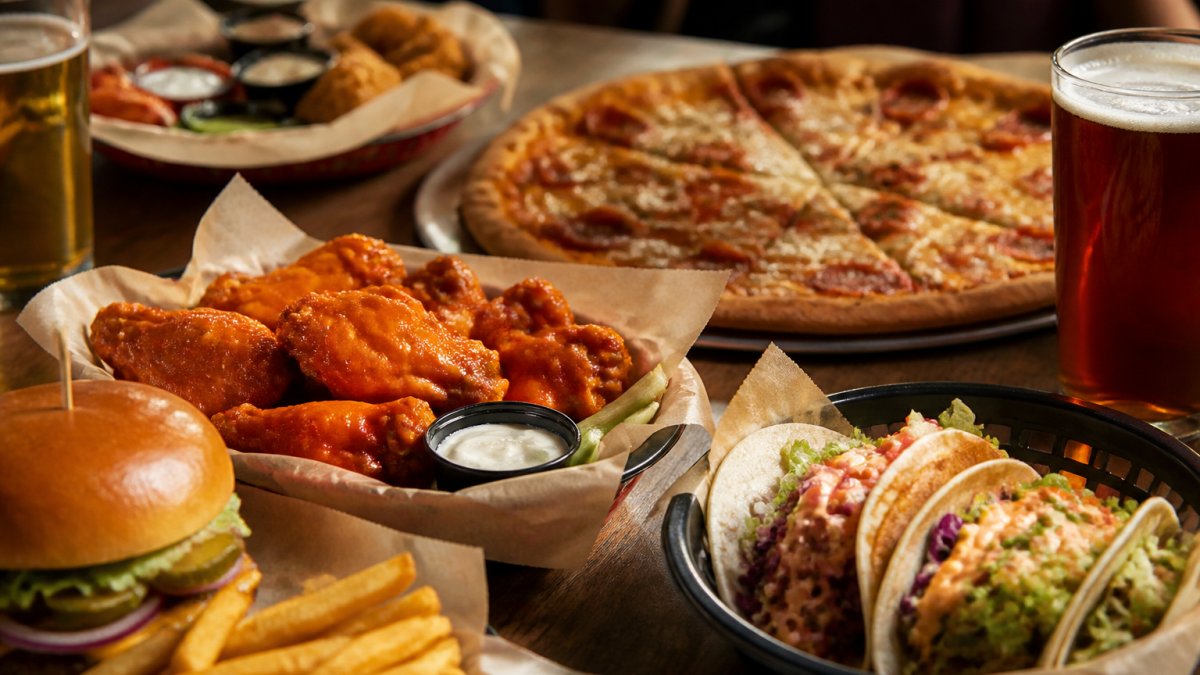
Wings work because they're easy to grab and everyone can reach the plate. Burgers satisfy without feeling sluggish.
Choose foods that don't require individual focus, avoid dishes needing two hands or constant attention, or anything messy enough to distract from the gathering.
What Venues Should Offer for Late-Night Group Dining
A venue that genuinely supports late-night groups goes beyond staying open. Compare options side by side, because the differences between a diner, a café, a full-service restaurant, and a food hall matter more after dark than at noon.
Compare Venue Types by Group Fit
- Diners: Broad menus, long hours, and booths that suit conversation. Noise is usually moderate, and staff are accustomed to mixed groups. Best for groups of 4-12 who want a full meal and a calm table.
- Cafés and coffee shops: Quieter and better for conversation, but late-night food is often limited to pastries and light fare. Best for study groups and small gatherings, not large appetites.
- Full-service restaurants: The strongest option for dietary accommodation and reserved group seating, but many close their kitchens earlier than their doors. Confirm kitchen hours.
- Food halls: Variety solves the "everyone wants something different" problem, and seating is flexible, but noise can be high and individual stalls close at different times. Best for groups of 8-20 who want choice over table service.
- Sports bars and casual grills: Built for volume and energy, with multiple screens and shareable menus. Noise is high, which suits celebratory groups but not quiet conversation.
Selection Criteria That Actually Matter
Noise level and conversation: Ask whether the venue has a quieter section or booths.
Seating and space: Confirm whether tables can be pushed together, whether booths are available, and whether a reserved section exists for larger parties.
Accessibility: Confirm step-free entry, accessible restrooms, and seating that can accommodate mobility devices.
Nonalcoholic options: A venue that offers only soda alongside its bar menu is less welcoming to designated drivers and non-drinkers.
Balance the Social Case With the Evidence
The social benefits of late-night dining are real: shared meals extend time together, create rituals, and give groups a reason to gather when their schedules align.
A balanced venue helps here by offering lighter options alongside the wings and burgers, salads, grilled items, or smaller plates, so groups can enjoy the social side without every order being the heaviest thing on the menu.
Frequently Asked Questions
Why is late-night dining popular with groups of friends?
Late-night dining extends social time after work, events, or nightlife. Groups gather to decompress, continue conversations, and bond over shared meals. The relaxed atmosphere and casual food options make it an ideal setting for friends to stay together without the formality of earlier dining hours. Comfort food and a welcoming venue create the perfect environment for connection.
What makes a restaurant a good choice for a late-night group meal?
A strong late-night venue offers extended hours (ideally until 2-3 AM), a full kitchen that serves quality meals throughout the night, multiple screens for game-watching, adequate seating or flexible table arrangements, and a casual atmosphere that accommodates noise and energy. Reliable service, dietary accommodations, and convenient ordering options like delivery also matter for group satisfaction.
What foods are best to share during a late-night meal?
Shareable comfort foods work best: wings, burgers, and tacos. Choose items that stay warm, travel well if ordering delivery, and appeal to multiple preferences. Avoid anything requiring immediate consumption or elaborate plating. Casual bar fare encourages a relaxed vibe and reduces ordering complexity for large groups with varying tastes.
How can a group plan a late-night dinner without a long wait?
Reserve ahead if the venue accepts reservations, or call to confirm capacity and current wait times. Coordinate your group's arrival time to avoid peak hours. Decide on your menu before arriving to speed up ordering. For delivery, place orders during off-peak times. Choose venues known for efficient service during late hours and confirm the kitchen is fully operational before heading out.