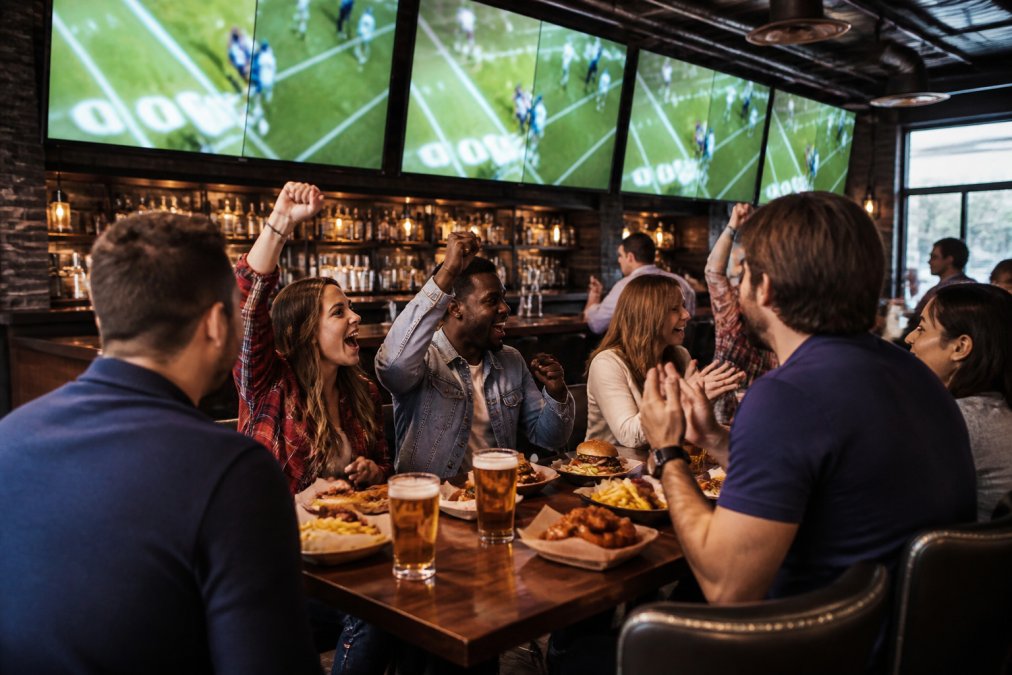
 ultimate-guide
What Makes a Great Sports Bar: 7 Must-Have Features
Table of Contents
- Big Screens and Sound: Sports Bar Audio Visual Requirements
- The Best Sports Bar Food Menu Goes Beyond Wings
- Craft Beer Selection and Beverage Program
- How to Find a Local Sports Bar Worth Your Game Day
- Game-Day Atmosphere, Specials, and Interactive Games
- Acoustics, Accessibility, and Sustainability: What Most Sports Bars Miss
- Conclusion
- Frequently Asked Questions
Last Updated: September 25, 2026
Big Screens and Sound: Sports Bar Audio Visual Requirements
A great sports bar lives or dies by whether every seat has a clear view of the game, and that is the standard every great sports bar should meet. That means enough high-definition televisions, positioned at proper viewing angles, paired with surround sound systems that let fans follow the action without shouting over the room.
This guide breaks down what separates a memorable venue from one you forget by the second quarter. Below, we cover screen placement, sound zoning, food, beer, and the details most bars overlook.
The FCC guide to closed captioning requirements matters here too: any venue showing live sports on televisions should enable captions so fans in noisy rooms can follow commentary.
Screen Count, Size, and Viewing Angles
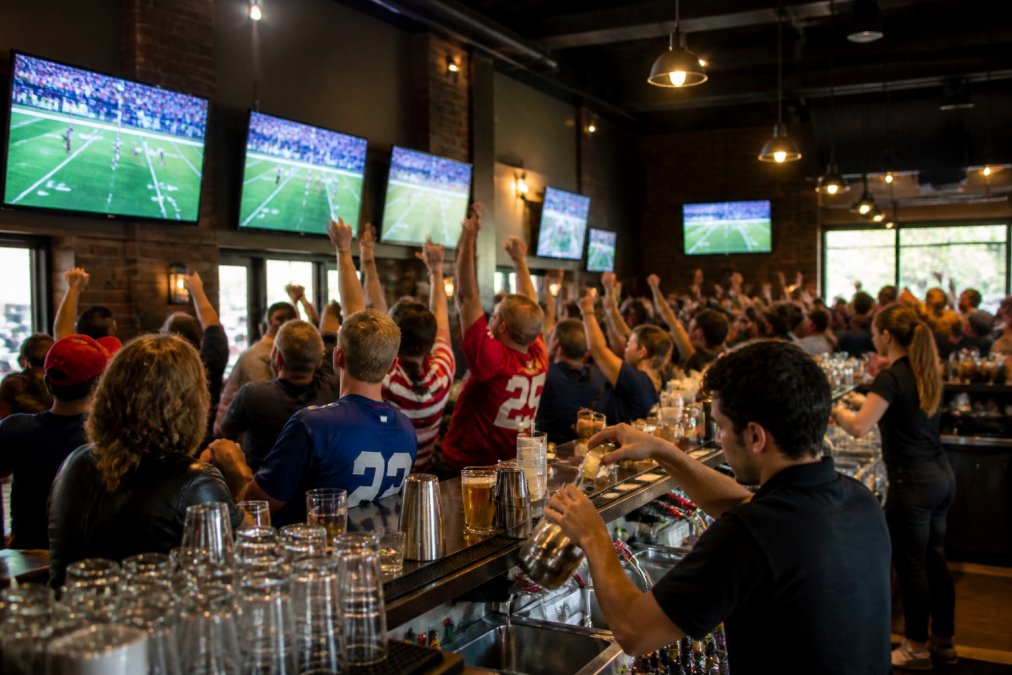
A sports bar needs enough screens that no patron has to crane their neck or watch from an awkward angle. The practical rule most operators follow: one screen for every 8-10 seats, with sightlines checked from the bar, booths, and high-tops. Screens mounted too high cause neck strain; screens behind the bar force patrons to turn away from their group.
Surround Sound and Volume Control by Zone
Volume control by zone is what separates a professionally run sports bar from a noisy one. A single master volume means one loud table ruins the room. Zoned audio lets staff keep the bar area lively, the dining section conversational, and the patio calm.
The Best Sports Bar Food Menu Goes Beyond Wings
The best sports bar food menu balances bar food staples with dishes that hold up during a full game. Wings, burgers, and tacos remain the anchor, but a crowd-pleasing menu also needs shareable plates, lighter options, and items that travel well for delivery.
Bar Food Staples Done Right
Wings and burgers are the test. A common mistake is treating them as filler rather than the reason people return. Freshness, consistent seasoning, and proper fryer management matter more than a long menu.
Late-Night Kitchen Hours and Delivery Quality
Late-night kitchen hours decide whether a sports bar becomes a regular stop for shift workers. A kitchen that stays open until 3 AM and still cooks full menu items, not just reheated snacks, builds loyalty fast. Delivery quality depends on packaging: wings and burgers need vented containers so they arrive crisp, not steamed.
Craft Beer Selection and Beverage Program
A strong craft beer selection shows a bar cares about more than volume.
How Many Taps, and Which Ones
Rotation matters more than raw count. A bar that swaps two or three handles weekly gives regulars a reason to check in, while keeping the core lineup stable so nobody's favorite disappears without warning. Post the rotation on a chalkboard or a digital tap list so guests can see what changed since their last visit.
Line Cleaning, Temperature, and Freshness
Glassware is part of the program too. Properly shaped glassware, pint, tulip, snifter, or stange depending on style, affects aroma and head retention, and it signals to guests that the bar takes beer seriously.
Cocktails, Non-Alcoholic Options, and Speed
Non-alcoholic options have moved from afterthought to expectation. A quality NA beer, a hop water or two, and a couple of zero-proof cocktails let designated drivers, pregnant guests, and people simply taking a night off participate in the round.
Pairing the Beverage Program With the Food Menu
A beverage program that pairs with the food menu gives regulars a reason to come back beyond the game. If the kitchen leans into smoked wings or a smash burger, a smoky porter or a crisp pilsner belongs on the list. If the menu has a spicy chili or Nashville-hot item, a hazy IPA or a slightly sweet cider balances the heat. Training staff to suggest one specific pairing per shift, not a generic 'what goes with wings', turns the beverage list into a sales tool instead of a wall of labels.
How to Find a Local Sports Bar Worth Your Game Day
Finding a local sports bar worth your time comes down to three checks: location and parking, verified reviews, and whether the venue actually shows the games you care about.
Location, Parking, and Visibility
Prime location with easy parking and clear visibility from the road removes the friction that kills repeat visits. A bar tucked behind a strip mall with no signage loses customers before they ever walk in.
Checking Reviews and Real Customer Feedback
Real customer feedback reveals what marketing hides. Look for reviews that mention specific dishes, wait times on game day, and whether the sound was actually watchable. Patron demographics and staff efficiency show up in review patterns too.
| What to Check | Why It Matters | Quick Test |
|---|---|---|
| Screen visibility | Every seat needs a view | Walk the room before ordering |
| Sound zones | Conversation vs. crowd noise | Ask staff about volume control |
| Late-night kitchen | Full menu or snacks only | Call ahead after 10 PM |
| Craft beer selection | Freshness and variety | Ask what's rotating this week |
| Review consistency | Food quality over time | Read reviews from the last 30 days |
Game-Day Atmosphere, Specials, and Interactive Games
Game-day atmosphere is built from three ingredients: promotional events, interactive games, and a venue layout that keeps energy moving. Arcade sections, sports memorabilia, and themed watch parties give fans reasons to arrive early and stay late, but the venues that win the social hub role in their community are the ones that treat every game day as a programmed event, not just a broadcast.
Building a Weekly Programming Calendar
The strongest sports bars run a repeating weekly rhythm so regulars know what to expect. A common pattern looks like this:
- Monday: half-price wings and a Monday Night Football or primetime game special
- Tuesday: trivia night, often sports-themed, in the early evening before the late game
- Wednesday: karaoke or a cornhole league night
- Thursday: NFL Thursday game with a pitcher-and-pizza combo
- Friday and Saturday: college and pro game blocks with a rotating food special
- Sunday: the anchor day, open early, full brunch or breakfast menu, and reserved seating for season-ticket groups
Specials That Actually Move Volume
Happy hour is table stakes; the specials that build loyalty are the ones tied to the game itself. Loyalty programs and customer engagement tactics, from punch cards to app-based rewards, turn casual visitors into regulars. The key is making the reward feel tied to the sports calendar, a free appetizer after five game days, not five generic visits.
Interactive Games and the Layout That Supports Them
Arcade sections, dartboards, shuffleboard, pool tables, and cornhole setups do more than fill space, they give groups something to do during timeouts, commercial breaks, and blowouts. The layout matters as much as the equipment: games placed near the bar keep energy concentrated, while games tucked in a back room split the crowd and kill the room's pulse.
Watch Parties, Rivalries, and Community Events
Themed watch parties give the bar a reason to promote beyond its regulars. Partnering with local alumni groups, fantasy leagues, or youth sports organizations fills the room on otherwise slow nights and builds community identity.
Acoustics, Accessibility, and Sustainability: What Most Sports Bars Miss
Acoustic engineering is an important element in sports bar design. Hard surfaces, high ceilings, and a wall of televisions can create a roar that makes conversation difficult. Absorptive panels, soft furnishings, and zoned audio can help manage sound.
Conclusion
Turning a sports bar into a destination takes more than screens and taps. It takes zoned audio, a kitchen that stays open late, a beverage program worth exploring, and a room designed so everyone can actually enjoy the game.
Frequently Asked Questions
What makes a sports bar highly rated?
Highly rated sports bars get the basics right: enough screens so every seat has a good viewing angle, sound you can actually hear over the crowd, a food menu that goes beyond frozen appetizers, and staff who keep drinks full during a rush. Add a craft beer selection, game-day specials, and a location that is easy to reach, and you have a venue fans return to week after week.
How does a sports bar create an energetic game-day atmosphere?
Atmosphere comes from three things working together: audio-visual setup, crowd energy, and staff engagement. Big screens with surround sound keep eyes on the game, promotional events and giveaways keep the room loud, and interactive games like arcade sections or trivia give fans something to do during breaks. The best sports bars also zone their sound so the main room stays loud while quieter areas remain conversation-friendly.
What menu items are essential for a top-rated sports bar?
Wings, burgers, and tacos are the backbone of the best sports bar food menu, but execution matters more than variety. A crowd-pleasing menu also includes shareable appetizers, vegetarian options, and late-night items that hold up for delivery. Bars that keep their kitchen open until 3 AM and maintain food quality at midnight earn loyalty from late-shift workers and night owls.
Why is the quality of audio-visual equipment important for sports bars?
Audio-visual quality decides whether fans stay or leave. A blurry screen, a bad viewing angle, or sound that is either too loud or too quiet ruins the game-day experience. Sports bar audio visual requirements include high-definition televisions, surround sound systems, and the ability to control volume by zone. Venues that invest in AV integration can show niche sports coverage on smaller screens while keeping the main game on the biggest display.