 how-to
Plan a Budget-Friendly Game Day Outing: Complete Guide
Table of Contents
- Set Your Game Day Budget and Spending Goals
- Create a Game Day Budget Planner
- Budget-Friendly Game Day Food Ideas
- How to Split Costs for a Group Outing
- Plan Portions and Quantities for Your Group
- Use Your Game Day Outing Checklist
- Find Ticket Discounts and Avoid Scams
- Frequently Asked Questions
Last Updated: October 13, 2026
Set Your Game Day Budget and Spending Goals
Planning a budget-friendly game day outing starts with a single decision: know your total spending limit before you buy a single ticket or snack. This approach prevents overspending and keeps everyone happy.
Define your total outing cost
Your total outing budget should cover everything: tickets, transportation, parking, food, drinks, and any extras. Start by asking yourself a simple question: how much am I willing to spend from start to finish?
A realistic budget for a game day outing typically includes:
- Tickets, the largest expense for most outings
- Transportation, gas, rideshare, or public transit costs
- Parking, venue parking fees or nearby lot costs
- Food and drinks, meals, snacks, and beverages during the game
- Miscellaneous, tips, emergency cash, or impulse purchases
Write down your total number. This becomes your spending ceiling. Everything else flows from this decision.
Break down cost categories
Once you have your total, divide it into specific categories. This prevents one area from eating your entire budget.
Here's a practical breakdown for a single person attending a game:
| Cost Category | Suggested Allocation |
|---|---|
| Tickets | 40-50% of budget |
| Food & Drinks | 20-30% of budget |
| Transportation & Parking | 15-25% of budget |
| Miscellaneous | 5-10% of budget |
This isn't a rigid rule, adjust based on your priorities. If you care most about the game experience, spend more on a good seat. If you want to eat well, allocate more to food. The key is intentional allocation, not random spending.
Create a Game Day Budget Planner
A budget-friendly game day outing requires tracking three major expenses: how you get there, your ticket cost, and what you eat and drink. Creating a simple planner helps you see the full picture.
Track transportation and parking
Transportation costs vary wildly depending on distance and method. Calculate this first because it's often underestimated.
If you're driving:
- Gas cost (round trip mileage × current gas price ÷ vehicle MPG)
- Parking fee at the venue or nearby lot
- Vehicle wear and tear (optional but realistic)
If you're using rideshare or public transit:
- Round-trip fare costs
- Any surge pricing during peak game times
- Tip amounts (usually 15-20% for rideshare)
Public transit is often the most budget-friendly option. Check your local transit authority for game day routes and pricing. Many venues offer discounted or free transit on game days, research before you go.
Estimate ticket costs
Ticket pricing depends on the sport, team, game importance, and seat location. You have several options to find the best price.
Official venue box offices sometimes offer discounts for advance purchases. Secondary marketplaces like StubHub, SeatGeek, or Ticketmaster resales often have lower prices than face value, especially as game day approaches.
Be cautious of deals that seem too good to be true. Verify the seller's reputation. Read reviews of the resale platform before committing. Scams exist, and you don't want to arrive at the game with invalid tickets.
For a budget-friendly game day outing, consider cheaper seats farther from the field or court. Upper deck or standing room only tickets cost significantly less.
Plan food and drink spending
This is where most people overspend at game venues. Stadium and arena food costs 3-4 times more than outside prices. Smart planning saves hundreds.
Decide before arriving: will you eat before the game, during, or after? Eating beforehand means you only need light snacks during the event. This cuts food costs dramatically.
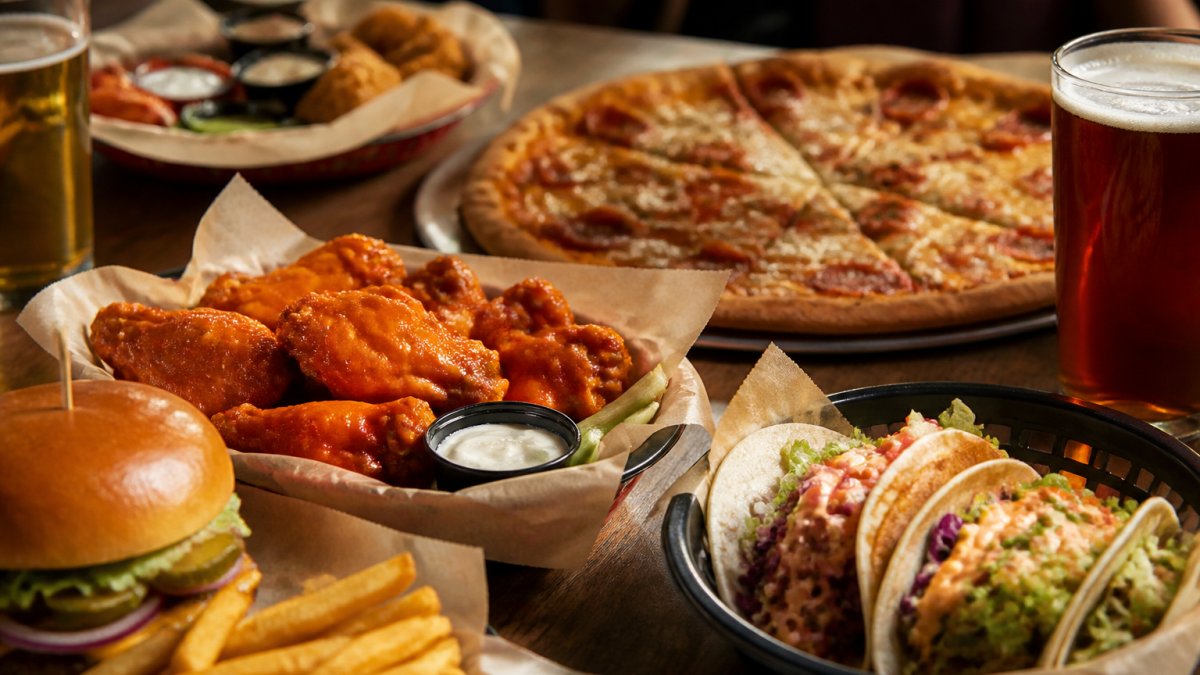
If you're attending with Crowne Sports Bar & Grill in mind, consider dining there before or after the game. Our menu of wings, burgers, and tacos offers quality food.
Set a specific food budget. If you plan to spend $20 on concessions, stick to that number.
Budget-Friendly Game Day Food Ideas
The most effective way to save on game day food is simple: bring what you can and make food at home instead of buying prepared items at the venue.
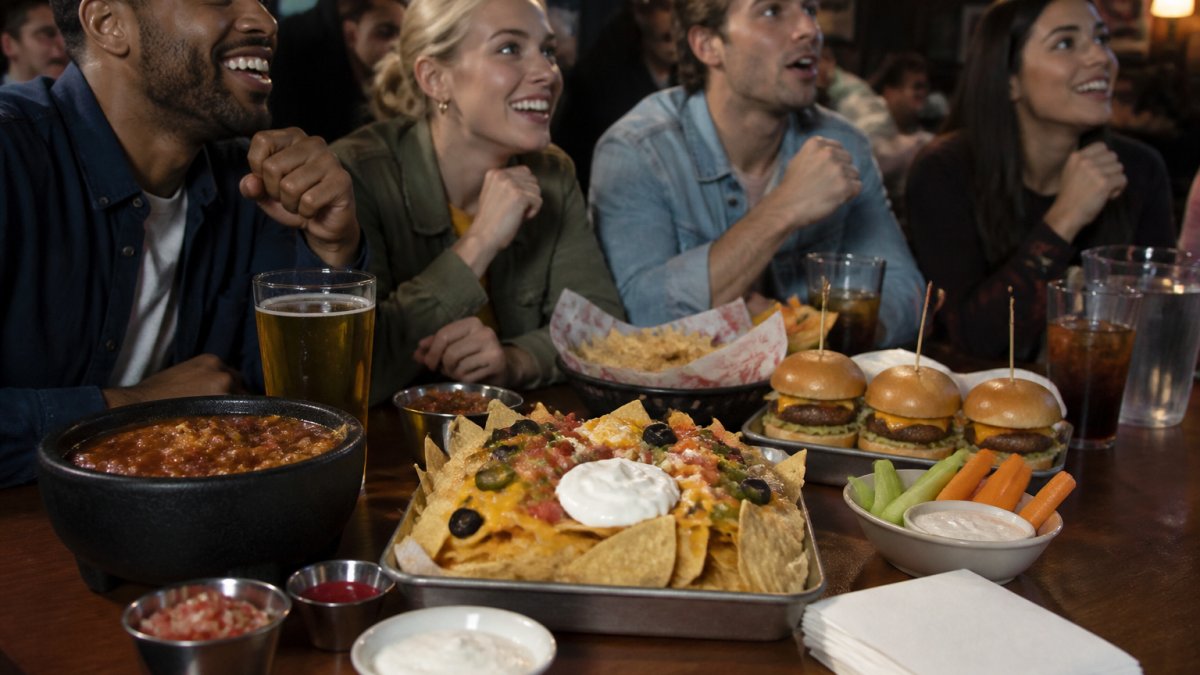
Make affordable snacks at home
Homemade snacks cost a fraction of what venues charge. Popular game day snacks are easy to make and crowd-pleasing.
Nachos are a classic. Layer tortilla chips with cheese, jalapeños, and toppings. Bake until the cheese melts.
Chili is hearty, filling, and makes a big batch. Brown ground beef, add beans, tomato sauce, and spices.
Sliders (small burgers) are fun for groups. Use slider buns and small patties. Top with cheese, lettuce, and condiments.
Dips are cheap and versatile. Mix sour cream with ranch seasoning for a simple dip. Add salsa, guacamole, or spinach artichoke variations.
Vegetable trays look impressive and cost less than you'd think. Buy seasonal produce at the grocery store.
Shop sales and compare prices
Grocery stores run game day promotions. Check weekly ads for deals on wings, burgers, and beer. Buying 3-5 days before the game ensures you get sale prices and have time to prepare.
Compare prices across stores. One store might have wings on sale while another discounts ground beef. A 20-minute shopping trip to two stores can save $10-15 on a group meal.
Warehouse clubs like Costco or Sam's Club offer bulk discounts. If you're feeding a group of 8 or more, buying in bulk makes sense.
Buy store brands instead of name brands. Quality is nearly identical for most snack foods and ingredients. You save 30-40% on average.
Choose lower-cost ingredients and substitutions
Ground beef is cheaper than steak. Use it for burgers, chili, and tacos.
Chicken thighs cost less than chicken breasts and have more flavor. Use them for wings (cheaper than restaurant wings) or shredded chicken for tacos.
Dried beans cost pennies per serving compared to canned. Soak overnight and cook in bulk. Use for chili, dips, or taco filling.
Rice and pasta are filling, cheap, and pair well with proteins. Stretch meat further by mixing with grains.
Seasonal produce costs less. Buy what's in season for your region. Spring vegetables, summer berries, and fall squash all offer budget-friendly options.
How to Split Costs for a Group Outing
When you're planning a budget-friendly game day outing with friends or colleagues, splitting costs fairly keeps everyone happy and prevents awkward money conversations.
Calculate per-person expenses
Start with your total budget. Divide by the number of people attending. This is the per-person share.
Example: Total outing cost is $240. Eight people are attending. Per-person cost is $30.
Break this down by category so everyone understands where their money goes:
- Tickets: $15 per person
- Food: $10 per person
- Transportation/parking: $5 per person
When people see the breakdown, they understand the cost and are more likely to accept it.
Collect payment before game day
Don't wait until game day to collect money. Ask for payment at least one week in advance. This gives you time to purchase tickets and plan food shopping.
Use a payment app like Venmo, PayPal, or CashApp for easy collection (Tips for using peer-to-peer payment systems and apps). Create a group chat and send payment requests there.
Be clear about what the payment covers. Include a message like: "Game day outing on [date]. Cost is $30 per person. This covers ticket, food, and parking. Payment due by [date]."
If someone can't attend, refund them promptly. If someone wants to bring a guest, calculate the new per-person cost and ask for additional payment.
Plan Portions and Quantities for Your Group
Feeding a group requires math. Too little food and people are hungry. Too much and you waste money.
Use this simple formula: estimate 1.5 pounds of food per person for a game day outing. This includes snacks and light meals.
For a group of 8:
- Light snacking: 12 pounds of food total
- Full meal: 16 pounds of food total
This accounts for variety. Some people eat more, some eat less. The average works out.
For drinks, plan 2-3 beverages per person for a 3-4 hour game. Stock a mix of beer, soft drinks, and water. Water is cheapest and keeps people hydrated.
When serving at a venue like Crowne Sports Bar & Grill, our team can help you plan quantities based on your group size.
Use Your Game Day Outing Checklist
A checklist prevents forgotten items and last-minute scrambles. Print this or save it to your phone.
Two weeks before:
- Confirm game date and time
- Set total budget with your group
- Research ticket options and prices
One week before:
- Collect payment from group members
- Purchase tickets
- Check weather forecast
- Plan menu and make shopping list
Three days before:
- Shop for food and drinks
- Confirm transportation plans
- Prep any food that can be made ahead
- Check vehicle fuel level if driving
Day before:
- Finish food prep
- Pack coolers if needed
- Charge phone and portable chargers
- Review parking and arrival plan
Game day morning:
- Pack food in coolers
- Gather tickets (digital or printed)
- Confirm group meeting time and location
- Leave 30 minutes earlier than you think necessary
Find Ticket Discounts and Avoid Scams
Legitimate ticket discounts exist. Scams also exist. Know the difference.
Legitimate discount sources:
- Official team websites, sometimes offer flash sales or promotional codes
- Established resale platforms, StubHub, SeatGeek, Ticketmaster resale, Vivid Seats
- Student and military discounts, many venues offer these directly
- Group discounts, venues often reduce prices for groups of 10 or more
- Last-minute deals, prices drop hours before game time on resale sites
Scam warning signs:
- Prices significantly below market rate (if it seems too good, it probably is)
- Seller pressure to buy immediately
- Requests for wire transfer or cryptocurrency
- Seller unwilling to use a secure platform
- No seller reviews or feedback
- Promises to "guarantee" admission without proof
Use only established platforms with buyer protection. Read seller ratings before purchasing. If something feels off, skip it and buy elsewhere.
Contact the venue directly if you're unsure whether a deal is legitimate. They can confirm whether tickets are real and whether the seller is authorized.
Planning a budget-friendly game day outing doesn't mean sacrificing fun or quality. When you gather with friends at a great venue like Crowne Sports Bar & Grill, you're investing in memories, not just a meal. Our wings, burgers, and tacos give you quality food and a lively atmosphere, whether you're watching the game with us or planning your own outing.
Frequently Asked Questions
How can I keep a game day outing affordable?
Start by setting a total budget and breaking it into categories: transportation, tickets, parking, and food. Plan your menu ahead and make snacks at home instead of buying prepared items. Shop for sales before game day, choose shelf-stable ingredients, and split costs with friends to reduce per-person expenses. Arriving early or using happy hour specials can also lower your overall spending.
What should I include in a game day budget?
Your budget-friendly game day outing budget should cover transportation costs, parking fees, ticket prices, and food and drink expenses. If attending at a venue, factor in any service fees. For a watch party at home or a sports bar, focus on snacks and beverages. Allocate extra for unexpected costs. A complete game day budget planner helps you track each category and avoid overspending.
How can a group split game day costs fairly?
Decide upfront whether you're splitting all costs equally or only shared items. Collect payment before game day to avoid awkward conversations later. Use a simple spreadsheet or calculator to track who owes what. If some guests bring snacks or contribute differently, adjust the split accordingly. Clear communication prevents misunderstandings and ensures everyone feels the arrangement is fair.
What are some budget-friendly food ideas for game days?
Make crowd-pleasing recipes like chili, nachos, sliders, vegetable trays, and dips at home. Buy ingredients on sale and choose lower-cost options like ground beef, canned beans, and seasonal produce. Prepare food ahead to save time and money. Stock up on shelf-stable snacks like chips and pretzels. Skip expensive prepared items and focus on generous quantities of affordable, filling foods that feed many guests without breaking your budget.