 how-to
Watch College Football at Sports Bars: A Game-Day Guide
Table of Contents
- Can You Watch College Football at Sports Bars?
- How to Find a Bar Showing Your Team
- Sports Bars Showing College Football Games: What to Expect
- Sports Bar Game Day Tips for the Best Experience
- Planning a College Football Watch Party
- Cover Charges and What's Included
- Frequently Asked Questions
Last Updated: October 21, 2026
Can You Watch College Football at Sports Bars?
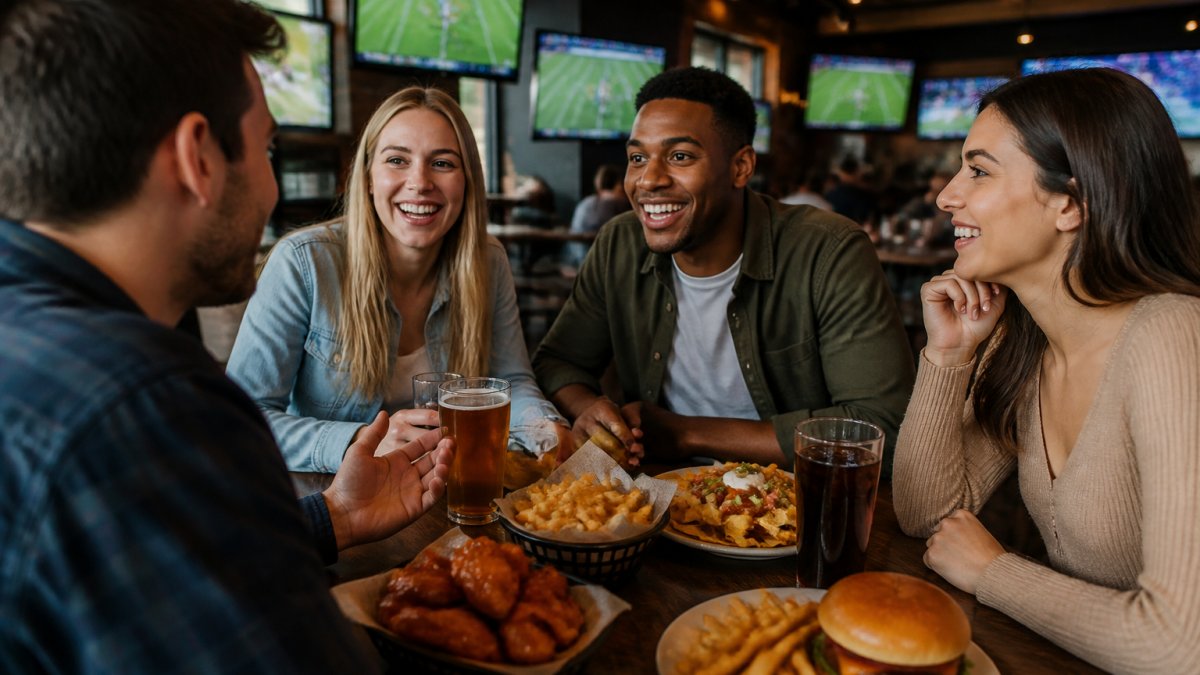
Yes, you can watch college football sports bars that carry live sports packages and typically offer multiple televisions, quality sound, and a game-day atmosphere.
At Crowne Sports Bar & Grill, watching college football is part of the energetic game-day experience we offer.
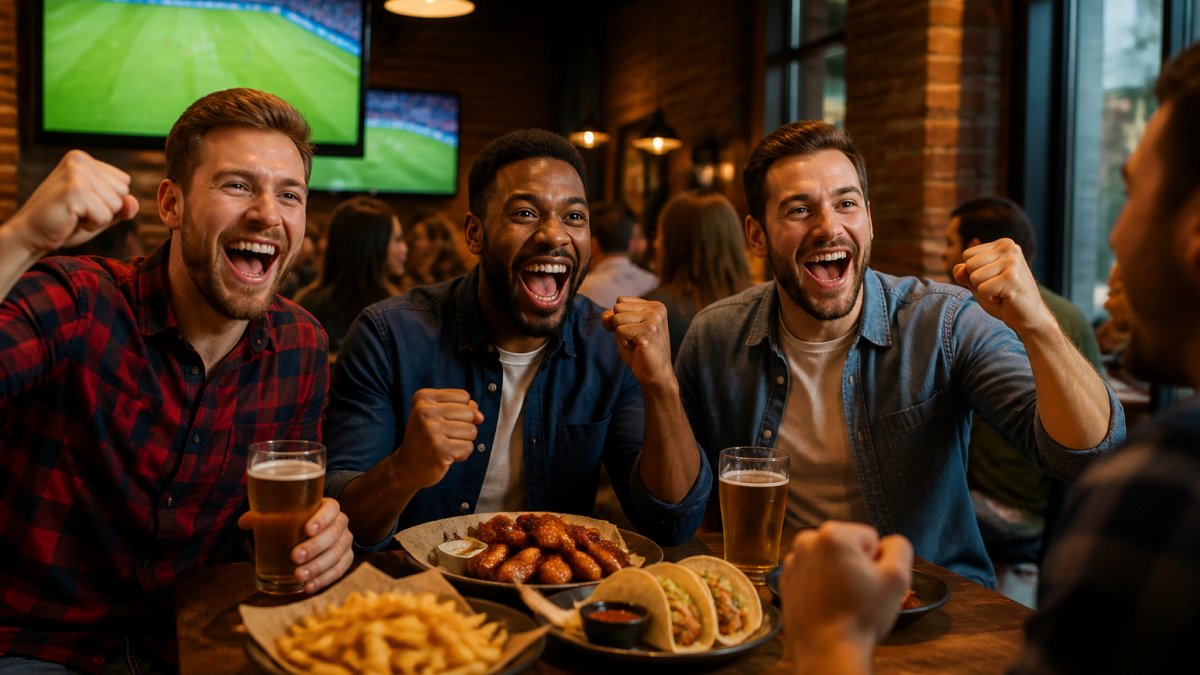
The key difference from home is environment: live energy, food and drink without leaving your seat, and shared excitement.
How to Find a Bar Showing Your Team
Finding a bar that shows your team's game takes planning, especially when multiple games air at once. Broadcast rights are split across networks and streaming services, so availability varies by location and bar.
Call Ahead to Confirm Game Coverage
The most reliable way to confirm a bar will show your team is to call directly. Even bars with comprehensive packages sometimes miss games due to regional restrictions or scheduling conflicts.
When you call, ask specifically:
- Which network is showing the game you want to watch (ESPN, SEC Network, Big Ten Network, etc.)
- Whether they subscribe to that network or service
- If they can tune to that specific channel during the game
This five-minute call saves you from arriving to find your game unavailable, and staff can share seating availability and reservation recommendations.
Check for Sports Packages and Broadcast Access
Sports bars invest in broadcast packages, cable sports channels, satellite tiers, and streaming subscriptions. Knowing what a bar carries tells you what games they can show.
Common sports packages include:
- Basic cable (ESPN, ESPN2, ABC)
- Regional sports networks (SEC Network, Big Ten Network, ACC Network)
- Satellite premium tiers (for less common games and streams)
Crowne Sports Bar & Grill aims for broad coverage all season. When scouting bars, ask about subscriptions: basic cable won't show niche conference games, while premium packages offer more options.
Sports Bars Showing College Football Games: What to Expect
Sports bars are built for watching live games, and watch college football sports bars offer the infrastructure to do it right. Knowing what to expect helps you choose the right venue and prepare for game day.
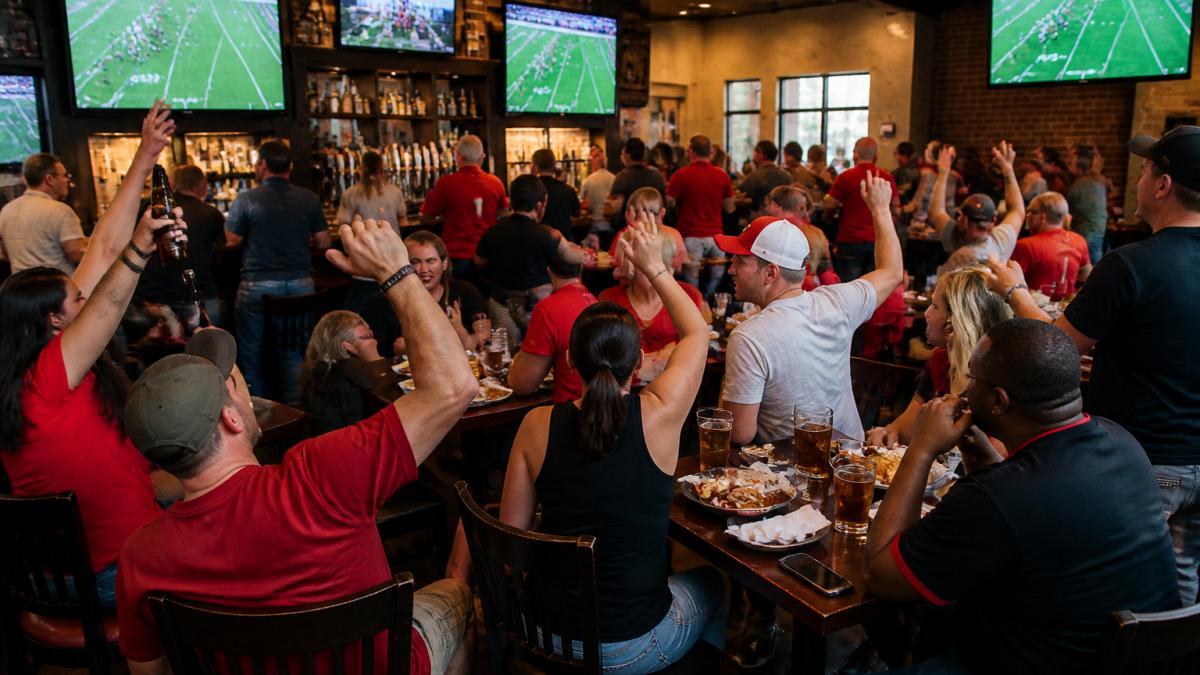
Multiple Televisions and Screen Placement
A quality sports bar positions televisions throughout the space so you can see the game from almost anywhere. Multiple screens mean better angles and less frustration.
Look for bars that have:
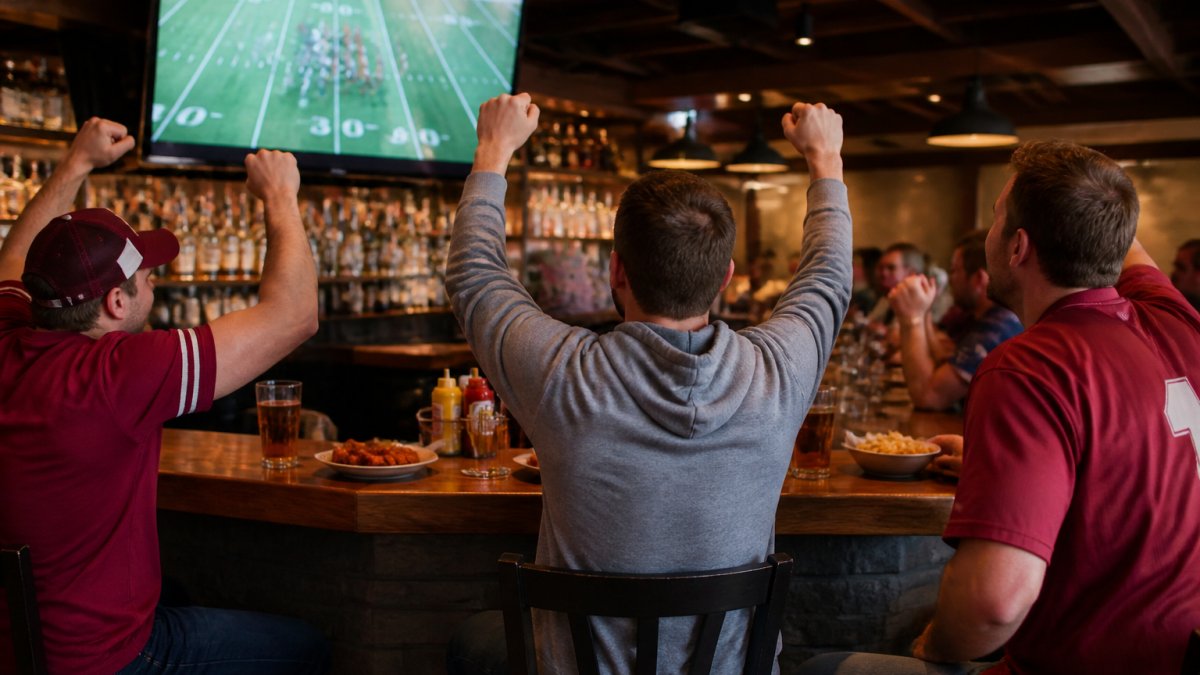
- Screens behind the bar (visible from bar seating)
- Screens in corner areas (visible from booths and tables)
- At least one large screen for the featured game
Screen size matters: 55 inches is standard, and 65-75 inches is better for distance viewing. Ask about placement when you call, if the bar can't describe where screens are, that's a warning sign.
Sound and Broadcast Quality
You need to hear the announcers and crowd energy; poor sound ruins the experience. Audio should be loud enough to hear the broadcast clearly from anywhere in the bar.
Ask about their audio setup:
- Do they have separate sound zones (muting some screens, keeping audio on others)
- Is the system loud enough to hear over crowd noise
- Can they adjust volume for your specific game
Crowne Sports Bar & Grill aims to provide clear broadcast audio throughout the space, so during big games you can hear every play, call, and crowd reaction.
Sports Bar Game Day Tips for the Best Experience
Most game-day advice stops at "arrive early and order wings." That doesn't solve the two problems that actually ruin a college football Saturday at a sports bar: your game isn't on the screen you expected, or your group can't sit together. These tips focus on those practical details.
Confirm the Broadcast Before You Commit to a Seat
Broadcast access is the biggest variable in whether you can watch your team at a given bar. Rights are split across national, conference, and regional networks plus streaming-only broadcasts. A bar can have full cable and still lack your conference network, or carry it but lack the streaming tier for an exclusive online broadcast.
Before game day, confirm three things with the bar:
- The network. Look up which network or service is airing your game (the school's athletics site or the conference's broadcast schedule is the most reliable source).
- The bar's access. Ask directly: "Do you carry [network name]?" Do not ask "Do you show college football?", that question gets a yes from every sports bar and tells you nothing.
- The screen and the sound. Ask whether the bar can put your game on a specific screen and whether audio will be on for that game. Many bars run audio for one featured game and mute the rest.
Plan Around Kickoff Windows, Not Just Kickoff Time
College football Saturdays run in waves: noon ET, mid-afternoon, and prime time, each with different crowd patterns and screen allocation. A noon game competes with every other noon game for main screens; a prime-time game competes with the bar's featured matchup and whatever the crowd is loudest about.
A practical approach:
- Noon window: Arrive 30-45 minutes early. Ask which screen your game will be on before you sit down, because screen assignments are often set the morning of.
- Mid-afternoon window: This is often the busiest transition period. Expect the bar to be full from the noon crowd that has not left. Arrive early or plan to stand.
- Prime time: The featured game usually gets the biggest screen and the sound. If your team is not the featured game, confirm in advance that a secondary screen will carry it.
Reservations, Age Policies, and Accessibility
These three details cause more game-day friction than any other.
- Reservations. Many sports bars do not take reservations for regular-season Saturdays but do for groups of 8 or more, and some take them only for rivalry or playoff weekends. Ask whether reservations are available for your date and whether they require a deposit or minimum spend.
- Age policies. Some sports bars are 21+ at all times; others allow minors until a certain hour. If you are bringing anyone under 21, confirm the policy for your specific game and arrival time, not just the bar's general policy.
- Accessibility. If anyone in your group uses a wheelchair or has mobility limitations, ask about accessible seating, restroom access, and whether the accessible seating has a clear sightline to a screen. Sightlines and accessibility do not always overlap, and it is worth confirming before you arrive.
Parking and Arrival Logistics
Parking is the most under-planned part of game day. Ask whether the bar has its own lot, validates parking, or has nearby garages. On rivalry weekends, rideshare demand and prices spike, plan for longer waits or higher fares and arrive earlier than usual.
Order Before the Rush, Not During It
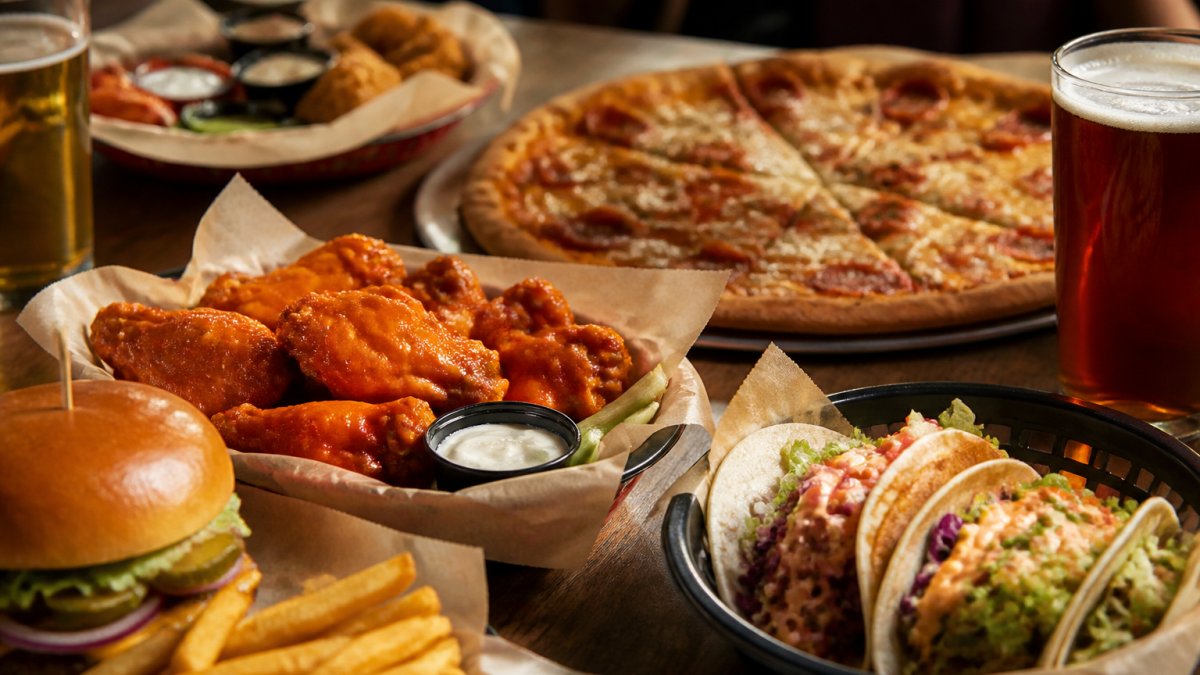
Kitchen and bar service slow dramatically once a game is underway. Order your first food and drink within 10 minutes of sitting down, and order your next round before the current one is empty. Appetizers and handhelds (wings, nachos, burgers, fries) arrive faster than entrées during a rush; for large groups, order a shared spread so the kitchen fires everything at once.
Have a Backup Venue
Even with confirmation, things change: a game gets flexed to a different network, a stream drops, or a crowd fills the venue fast. Identify one nearby backup bar that carries your network and save its number, a two-minute call from the parking lot can save an afternoon.
Planning a College Football Watch Party
Organizing a group watch party at a sports bar requires coordination: you need space, confirmation the game will be on, and staff who know you're coming.
Group Size and Reservation Considerations
Most sports bars accommodate groups under 8-10 people without notice; larger groups need reservations, and some bars offer group packages or reserved seating areas.
For your group size:
- Under 8 people: typically walk-in friendly
- 8-15 people: call ahead, ask about seating options
- 15-25 people: reserve in advance, ask about group pricing
Crowne Sports Bar & Grill welcomes group watch parties. Call ahead to discuss your group size and game preferences.
Coordinating with the Bar Staff
Communication with staff makes the difference between a smooth event and chaos. Tell them your group size and arrival time, which game you want, whether you need a specific screen or area, if you're celebrating something, and any special requests (volume, food prep, etc.).
Staff can reserve tables, put your game on the main screen, and coordinate kitchen timing so everyone eats together, turning random seating into an actual event.
Cover Charges and What's Included
Cover charges are unpredictable: some venues never charge, others charge only for the biggest games, and a few charge a flat fee every Saturday. Policies vary so widely that the only reliable approach is to ask about your specific game, not the bar's general policy.
When Bars Typically Charge Cover
Cover charges are most common when demand clearly exceeds seating capacity. In practice, that means:
- Championship games and conference title games
- Major rivalry matchups (the kind that draw alumni groups from both schools)
- Opening week and kickoff classics
A bar that never charges cover for a regular-season noon game may still charge $10-$20 per person for a rivalry game, and more for a championship. Treat these as a range to ask about, not a quote.
What Cover Usually Includes, and What It Doesn't
When a bar charges cover, the fee is usually tied to one of three models:
- Seating guarantee. The cover reserves you a seat or standing spot for the duration of the game. This is the most common justification during rivalry weekends.
- Food or drink minimum credit. Some bars apply the cover as a credit toward your tab, so a $15 cover becomes $15 off your first order. Ask whether the credit applies to food, drinks, or both, and whether it expires.
- Flat access fee. The cover is simply an entry charge with no credit. This is more common for ticketed watch parties hosted by alumni groups or fan clubs.
What cover rarely includes: guaranteed sightlines to a specific screen, sound on your specific game, or reserved parking. Those are separate requests and should be confirmed independently.
How to Verify Cover Before You Go
Call during a non-peak hour (mid-afternoon on a weekday) and ask, in order:
- "Are you charging cover for [specific game] on [date]?"
- "If so, how much per person, and is any of it applied to my tab?"
- "Do you take cover at the door, or do I need to reserve in advance?"
Write down the answers and the name of the person you spoke with, policies can shift before game day, especially if a matchup gets flexed to a bigger broadcast window.
If a bar quotes a cover over the phone, ask whether it applies per person or per table. A $50 table minimum sounds cheaper than a $15-per-person cover until your group of six does the math.
Cover vs. Minimum Spend: Know the Difference
Some bars skip cover and enforce a minimum spend per seat during big games. Unlike cover, you get the full value back in food and drinks, but you're committed to spending that amount. Ask which model the bar uses: a $25 minimum spend is effectively a $25 cover if your group orders light.
When Cover Is Worth It, and When It Isn't
Cover is worth paying when it secures something you need: a guaranteed seat for a group, a reserved area near a screen, or access to a ticketed watch party with organized seating. It's usually not worth a flat entry fee with no credit and no seating guarantee, especially if the bar can't confirm your game will be on with sound, a nearby bar without cover is often the better call.
Budgeting for Game Day
A realistic game-day budget includes more than cover: plan for cover (if any), food and drinks, tip, and parking or rideshare. For a rivalry game, a group of four might see a $40-$80 cover total, a $100-$200 food and drink tab, and $20-$40 in parking or rideshare depending on the market.
Frequently Asked Questions
How can I find out which college football games a sports bar is showing?
Call the bar directly and ask about their sports packages and broadcast capabilities. Most sports bars subscribe to packages that include ESPN, SEC Network, Big Ten Network, and other conference feeds. Ask specifically about the teams and games you want to watch, and confirm they can show out-of-market games if needed. You can also visit the bar's website or social media for game-day schedules they've posted.
Should I arrive early on game day when watching college football at a sports bar?
Yes, especially for marquee matchups and rivalry games. Popular bars fill up quickly on Saturday afternoons and evenings during football season. Arriving 30-60 minutes before kickoff gives you time to find good seating with a clear view of multiple screens, order food and drinks without long waits, and settle in before the crowd peaks. Late-arriving fans often end up standing or with obstructed views.
Do sports bars charge a cover charge to watch college football games?
Most sports bars do not charge a cover for regular-season college football games. However, some venues may charge a cover for playoff games, championship games, or special events like fantasy football drafts. It's best to call ahead and ask about any cover charges, especially if you're planning a large group gathering. Many bars waive covers if you order food and drinks.
What should I look for in a sports bar for watching college football?
Look for a bar with multiple large screens positioned throughout the venue so you can see the action from different seating areas. Check that they have the broadcast networks you need, including regional conference feeds. Consider the atmosphere and crowd size you prefer, seating comfort, food quality, and whether they offer sound control in different zones. Confirm they can show your specific team's games, especially if your team plays on less common networks.