 blog
Are Gourmet Bar Snacks Worth It? 2026 Guide
Table of Contents
- What Makes a Bar Snack Gourmet
- Gourmet Snacks vs. Regular Snacks: The Real Differences
- Bar Snacks That Pair with Beer: Flavor Combinations That Work
- Best Bar Snacks for Game Day: Quality and Shareability
- Bar Food for Sharing: Portions, Presentation, and Social Value
- The Value Equation: When Gourmet Bar Snacks Make Sense
- Free vs. Paid Bar Snacks: What You're Really Paying For
- Making Your Choice: A Decision Framework
- Frequently Asked Questions
Last Updated: October 20, 2026
What Makes a Bar Snack Gourmet
A gourmet bar snack is a carefully crafted appetizer that prioritizes quality ingredients, thoughtful preparation, and refined flavor profiles over mass-produced convenience. Unlike standard bar fare, gourmet snacks feature artisanal elements like house-made components, specialty seasonings, or premium protein sources.
The distinction matters because gourmet snacks demand more from the kitchen: skilled preparation, specific sourcing, and attention to presentation. A standard peanut bowl costs the bar almost nothing; a gourmet cheese board with aged cheddar, candied walnuts, and house-made crackers requires planning, inventory management, and culinary knowledge.
Freshness and seasonality also separate gourmet from regular. Many bars rotate snacks based on what's available and what pairs with seasonal beer releases, signaling that thought went into the menu.
Gourmet Snacks vs. Regular Snacks: The Real Differences
The gap between gourmet and regular snacks comes down to three factors: ingredient quality, preparation time, and presentation standards.
Regular bar snacks are designed for speed and cost efficiency: frozen wings into a fryer, pre-made sauce, bulk peanuts, chips in their bags. The goal is volume and margin, not culinary expression.
Gourmet snacks flip that equation: wings brined overnight and hand-tossed in small batches with fresh herbs, nuts toasted in-house with custom spice blends, and proper plating with garnishes and attention to color and texture.
The cost difference is real: regular snacks might run a 70-80% margin for the bar, while gourmet snacks often run 40-50% because ingredients and labor cost more. That's why bars charge more.
For the customer, gourmet snacks deliver better flavor complexity, texture, and overall experience. You taste the difference between frozen and fresh-made, and you notice when a sauce has depth instead of one-note heat or salt.
Bar Snacks That Pair with Beer: Flavor Combinations That Work
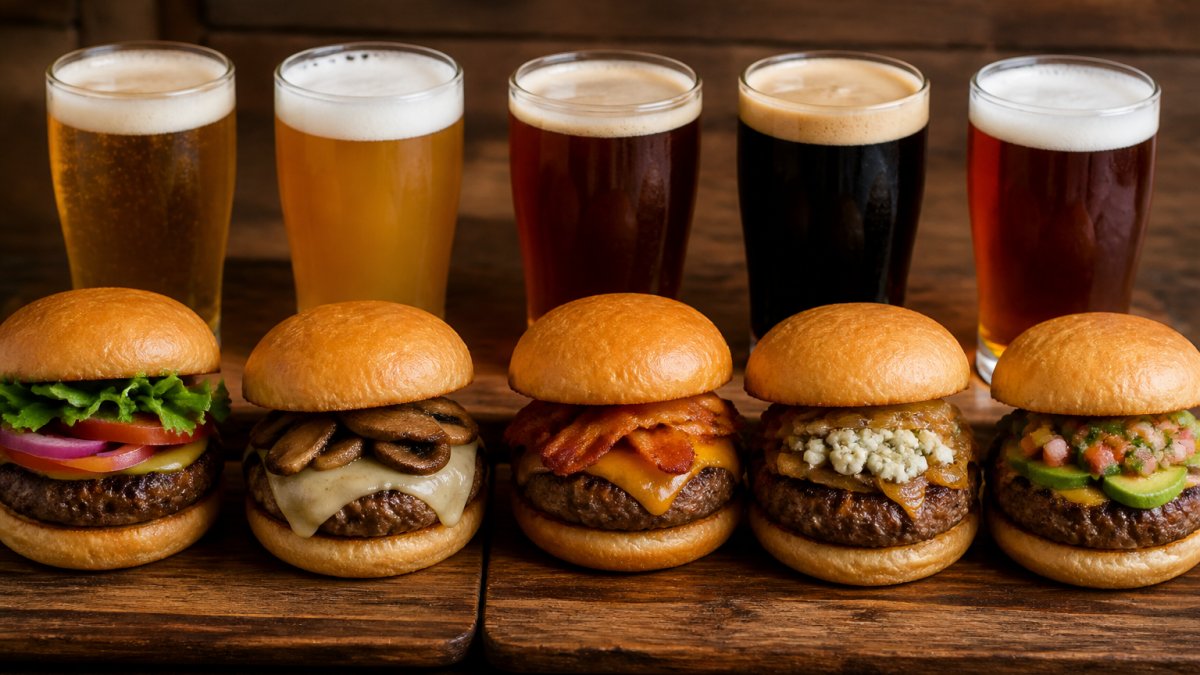
Pairing bar snacks with beer comes down to complementary flavors and contrasting textures: salty snacks enhance bitterness, spicy snacks cut through heavier styles, and rich snacks balance hoppy IPAs.
Here's how the best pairings work:
IPA and spicy snacks, Hop bitterness needs something that stands up to it. Jalapeño poppers, spicy wings, or chili-dusted nuts match intensity: the beer cools the burn while the snack amplifies its complexity.
Lager and salty snacks, Clean, crisp lagers pair beautifully with salt. Pretzel bites, salted popcorn, or brined pickled eggs complement the beer without overwhelming it.
Stout and rich snacks, Dark beer's roasted notes match fatty, savory snacks. Beef jerky, cheese and charcuterie, or wings with creamy sauce create balance; the beer's heaviness enhances the richness rather than fighting it.
Cider and fresh snacks, Cider's sweetness and acidity work with lighter fare. Cheese boards with fruit, fresh vegetables, or light seafood snacks keep the pairing bright instead of heavy.
The best bars understand these combinations and build snack menus around their beer selection.
Best Bar Snacks for Game Day: Quality and Shareability
Game day snacks need two things: they must be shareable in portions that feed a group, and they must deliver quality that keeps people coming back.
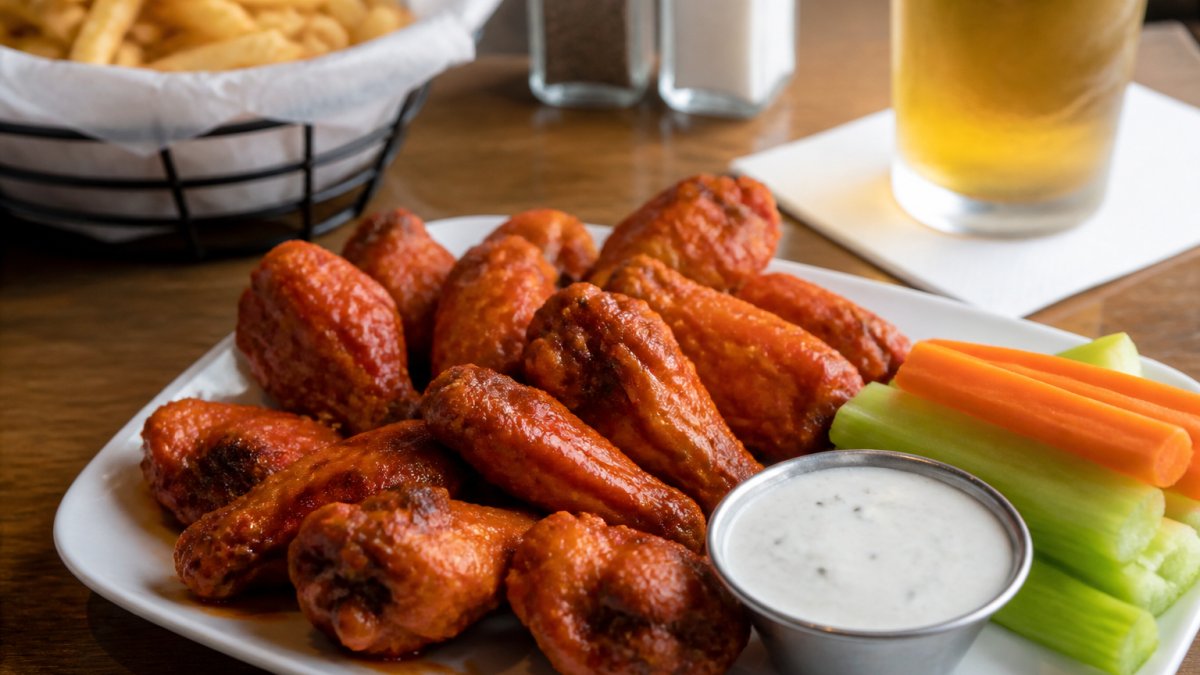
Wings remain the gold standard: easy to share, fun to eat, customizable. A quality wing has crispy skin, tender meat, and sauce that sticks without being sloppy. The difference between mediocre and great is brining time, fryer temperature, and sauce balance.
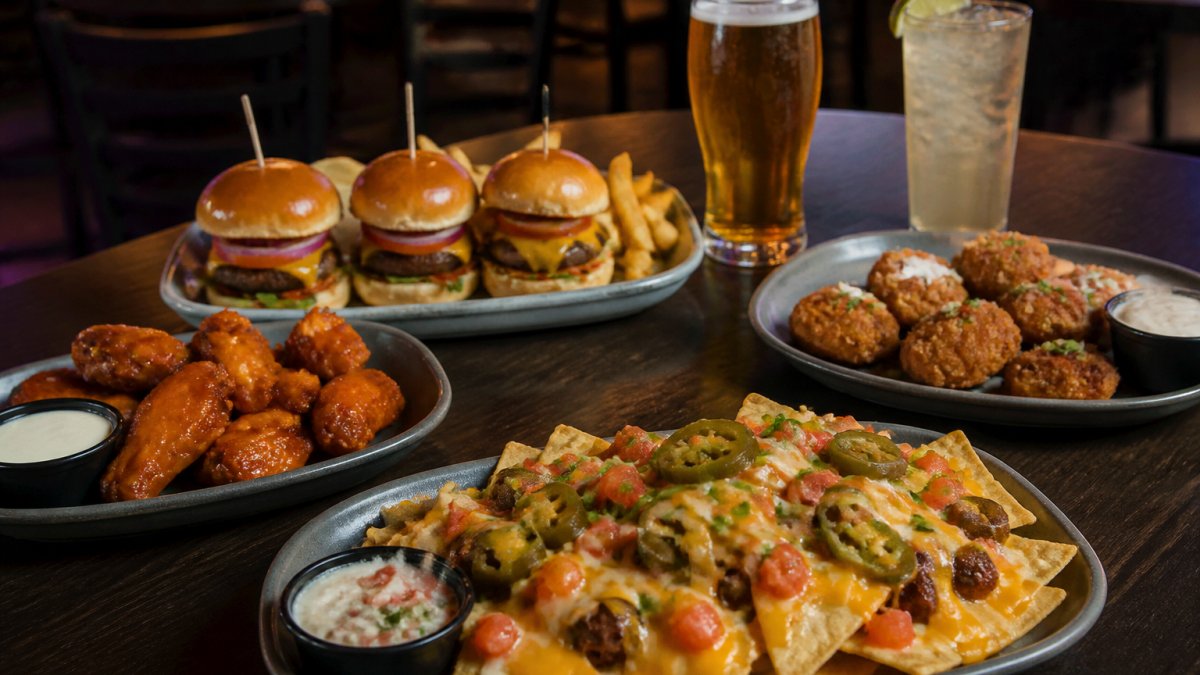
Beyond wings, the best game day snacks are grab-and-watch: sliders are hand-held and satisfying, loaded nachos let everyone reach the plate, and fried pickles are fun, shareable, and pair with beer.
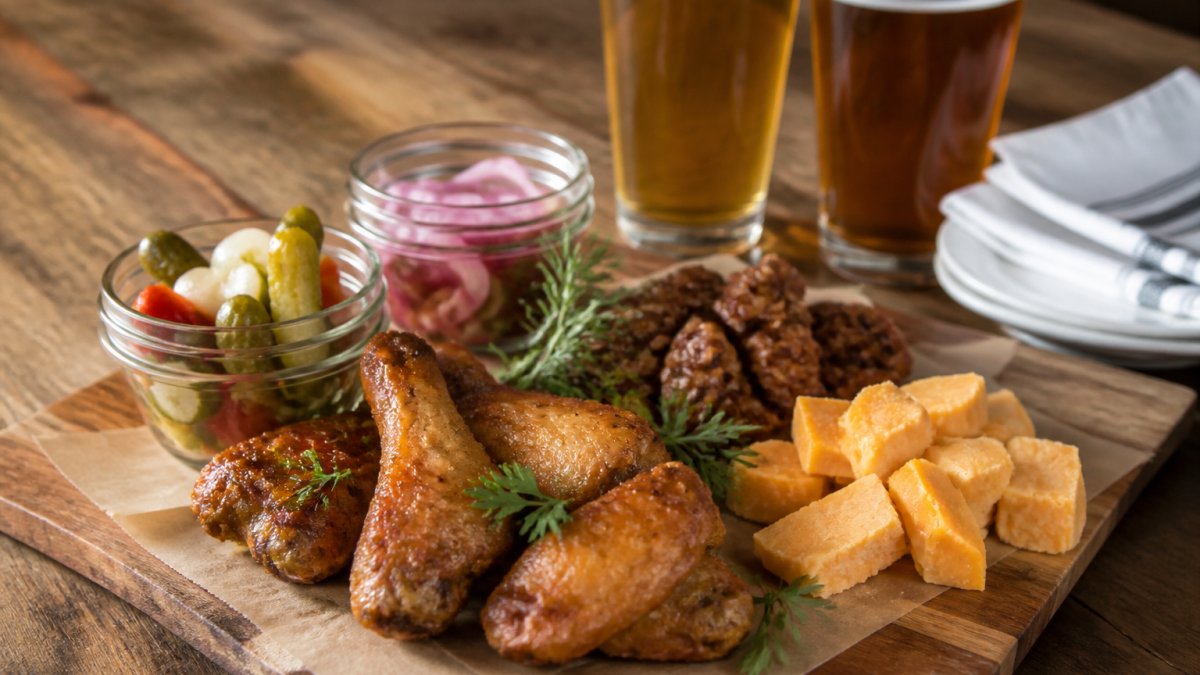
Presentation matters most on game day. When 20 people gather around a table, a thoughtfully plated snack board signals that the bar respects their experience.
Bar Food for Sharing: Portions, Presentation, and Social Value
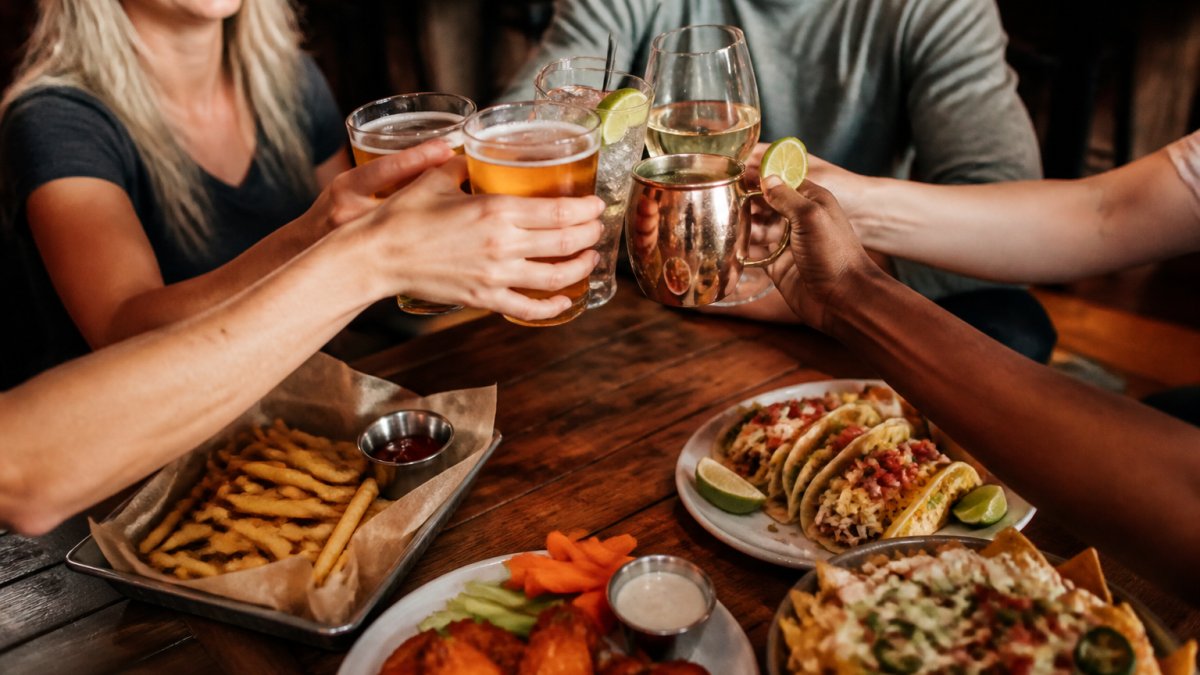
Sharing plates do more than feed people: they create a social focal point and signal hospitality, changing the energy of the group.
The best shareable snacks follow a few rules:
Portion sizing matters. A shareable plate should feed 4-6 people comfortably, not leave them hungry or overwhelmed. Too small and it feels cheap. Too large and it goes to waste.
Variety keeps interest. A one-item board gets boring fast. Mix textures (crispy, creamy, chewy), temperatures (hot and room temperature), and flavors (salty, spicy, savory, tangy) to keep people returning to the plate.
Presentation signals quality. Proper garnishes, color contrast, and thoughtful layout take minimal extra effort but make a huge difference in perceived value.
Accessibility is key. Shareable snacks should be easy to grab without a fork or knife. Finger foods, pre-cut items, and self-contained bites work best.
The Value Equation: When Gourmet Bar Snacks Make Sense
The honest answer to "are gourmet bar snacks worth it" is that it depends on four variables: how long you're staying, how many people you're feeding, what you're drinking, and how much you care about the food itself.
Variable 1: Time at the table. Gourmet snacks justify their price when you're settling in for two hours or more.
Variable 2: Group size. Sharing changes the economics. A gourmet board at $18 to $26 feeds four to six people, roughly $4 to $6 per person. Standard wings at $12 to $16 feed two to three, or $5 to $7 per person.
Variable 3: What you're drinking. The right snack makes the drink taste better and last longer. With a $7 to $9 IPA, a $5-per-person gourmet snack that complements the hops beats a $3 bag of chips that fights it.
Variable 4: Your reason for being there. If the food is part of the draw, gourmet snacks are the point of the visit, not an add-on. If the food is fuel between drinks, standard snacks do the job at a lower price.
The operator's side. A premium snack program typically runs a 30% to 45% food cost versus 15% to 25% for standard fare, since ingredients and labor cost more. Operators justify the price with higher check averages, longer dwell time, and better reviews.
A simple decision rule. Ask yourself three questions before ordering: Am I staying more than 90 minutes? Is there more than one person eating? Do I actually care what the food tastes like tonight? Two or more yes answers point toward gourmet.
Free vs. Paid Bar Snacks: What You're Really Paying For
Most bars run some version of a free-snack program, and most customers never do the math on what that free bowl actually costs them. The comparison is more useful when you break it down by cost per serving, portion size, and what the bar is really buying with the giveaway.
The free-snack model. A complimentary bowl of peanuts, popcorn, pretzels, or chips costs the bar $0.25 to $0.75 per serving at wholesale. It's a traffic driver that keeps guests seated, sipping, and ordering another round, so it's a marketing expense, not a menu item.
The paid-snack model. A gourmet board or made-to-order premium appetizer carries a food cost often 5 to 15 times higher than a free bowl. A cheese-and-charcuterie board with aged cheddar, cured meat, candied nuts, and house-made crackers might run $6 to $12 in ingredients alone, before 10 to 20 minutes of kitchen labor, plating, and waste.
The cost-per-serving comparison. A free bowl of peanuts might deliver 8 to 10 small handfuls for under a dollar of bar cost. A $22 gourmet board feeding four works out to roughly $5.50 per person, with more textures, flavors, and higher-quality ingredients.
What the guest is really paying for. A paid snack covers four things the free bowl doesn't: ingredient quality (higher-grade proteins, fresh produce, specialty items), labor and skill (trained cooks, small-batch preparation), consistency (a paid item carries a quality promise), and presentation (plating, garnishes, portion control).
What the bar is really buying. Free snacks are a customer-acquisition cost; paid snacks are a margin center. A bar that charges is committing to consistent execution, because a bad paid snack generates complaints and lost repeat visits while a bad free snack generates a shrug.
The practical takeaway. To absorb alcohol cheaply, the free bowl wins on economics. For a snack you'll actually remember, the paid gourmet option delivers more per bite. The mistake is treating them as the same purchase at different prices; they're different products serving different jobs.
Making Your Choice: A Decision Framework
Choosing between gourmet and regular bar snacks depends on your specific situation. Use this framework to decide:
| Scenario | Best Choice | Why |
|---|---|---|
| Solo visit, watching game | Regular snacks | You won't focus on quality; value matters more |
| Group gathering, 2+ hours | Gourmet snacks | You'll enjoy them together; quality enhances the experience |
| Happy hour, quick stop | Free snacks | You're there for drinks and speed, not the food |
| Special occasion, celebration | Gourmet snacks | Premium quality signals that the moment matters |
| Budget-conscious night out | Regular snacks | Satisfies hunger without overspending |
| Trying a new venue | Gourmet snacks | Better way to evaluate the bar's quality standards |
| Late-night casual hangout | Regular snacks | Casual setting calls for casual food |
| Impressing clients or guests | Gourmet snacks | Quality reflects on you and your judgment |
Match the snack to the context: don't overpay for gourmet you won't appreciate, and don't settle for regular if you're there for the food quality.
At Crowne Sports Bar & Grill, we offer a diverse menu of bar favorites including wings, burgers, and tacos. The choice depends on what you're there for that day.
Whether you're catching a late-night game or gathering your group for a celebration, the snack experience shapes your night. Gourmet bar snacks aren't about paying more for the sake of it; they're about choosing quality that matches your priorities. At Crowne Sports Bar & Grill, we've built our menu to deliver both options well. Visit us on Jimmy Carter Boulevard to experience the difference that quality preparation and thoughtful pairing make. Our diverse snack selection, late-night availability, and game-day atmosphere create the perfect setting for your next gathering.
Frequently Asked Questions
What makes a bar snack gourmet?
Gourmet bar snacks stand out through ingredient quality, preparation technique, and presentation. They typically use fresh, sourced ingredients rather than mass-produced options, feature creative flavor combinations, and arrive plated with attention to detail. Examples include hand-breaded wings with house-made sauces, artisanal cheese boards, or pickled vegetables prepared in-house. The difference is visible and tasteable from the first bite.
Are gourmet bar snacks worth the extra cost?
It depends on your priorities. For game-day viewing or casual happy hour, standard bar snacks deliver solid value. For special occasions, group gatherings, or when you're seeking a quality dining experience alongside drinks, gourmet options justify their cost through superior flavor, fresher ingredients, and better presentation. Consider your occasion, budget, and how much the snack matters to your overall experience.
What bar snacks pair best with beer?
Salty, crunchy snacks pair exceptionally well with beer. Wings with tangy or spicy sauces cut through beer's bitterness, while pickled items and salt-and-vinegar flavors complement hoppy brews. Cheese and charcuterie offer richness that balances lighter beers. The key is contrast: salty amplifies beer's flavor, while acidic or spicy elements refresh your palate between sips.
What makes a good snack to share at a bar?
Shareable bar snacks should be portion-controlled, easy to grab, and interesting enough to spark conversation. They work best when they don't require utensils, arrive warm or at proper temperature, and offer variety in flavor and texture. Premium shared plates like small bites, wings, or mixed appetizers encourage group engagement and create a more social, memorable experience than individual orders.