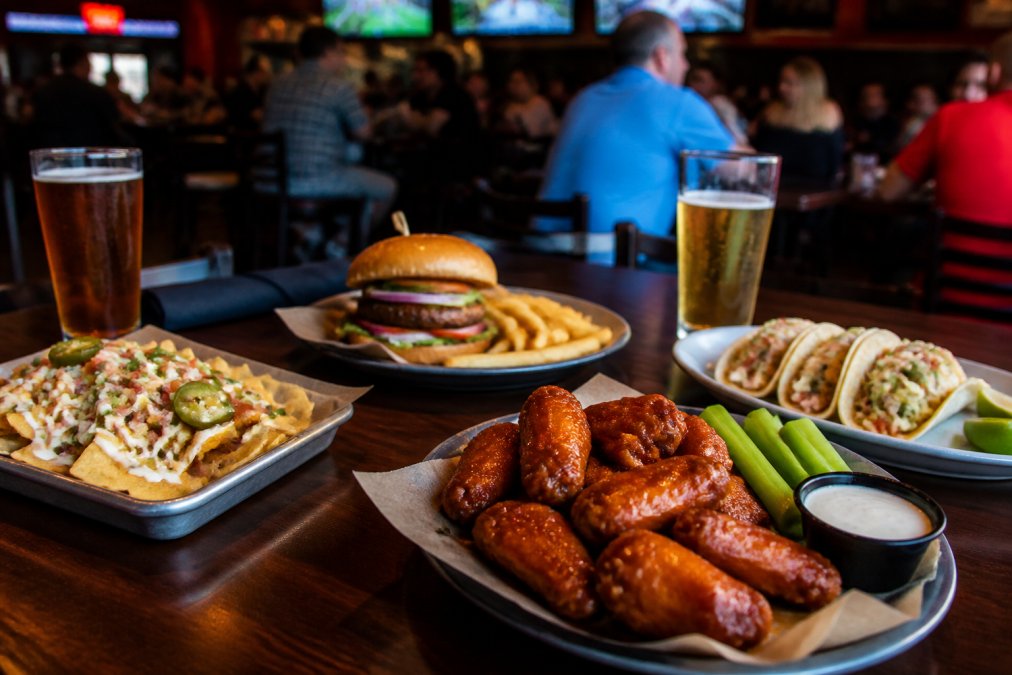
 how-to
How to Find Good Bar Food: 2026 Guide to Great Bites
Table of Contents
- What Makes Bar Food Actually Good?
- How to Evaluate a Bar Menu Before You Go
- Best Places for Wings and Beer: What to Look For
- The Psychology of Bar Food Ordering
- Dietary Inclusivity and Allergen-Friendly Bar Food
- Bar Food for Non-Kitchen Environments
- Frequently Asked Questions
Last Updated: September 18, 2026
What Makes Bar Food Actually Good?
Good bar food starts with freshness you can taste and prep times that tell you something. According to USDA food safety guidance on time and temperature control, food held at unsafe temperatures for too long is a leading cause of foodborne illness. That matters when you're deciding where to eat.
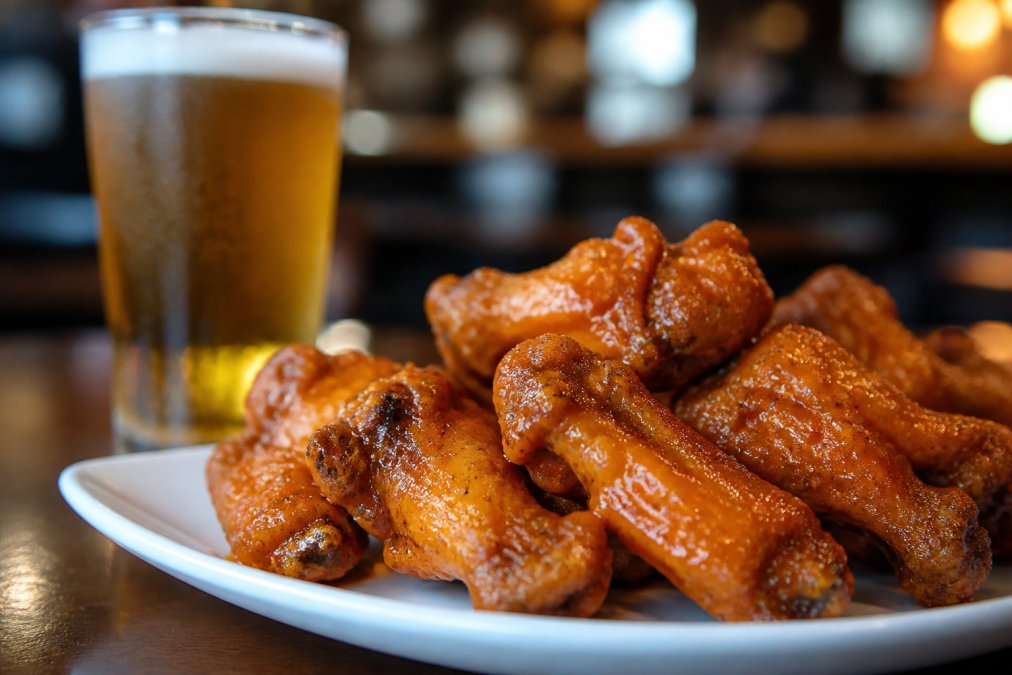
At Crowne Sports Bar & Grill, we've watched customers judge a menu in seconds.
Freshness and Prep Time Signals
A short menu usually means fresher food. Kitchens that cook fewer items in higher volume move inventory faster.
Watch for these signals:
- A menu under two pages long
- Wings and fries fried to order, not pre-batched
- Sauces made in-house rather than poured from a jar
- Food arriving hot, not lukewarm
How to Evaluate a Bar Menu Before You Go
The best way to judge a bar menu is to read it like an operator, not a hungry customer. A menu is a financial document disguised as a list of dishes, and the way items are grouped, priced, and described tells you almost everything about how the kitchen is run.
Start with these structural checks:
- Menu length. A focused menu of 20-35 items usually signals a kitchen that turns inventory fast. Menus pushing 60+ items often mean slower ticket times, more food waste, and a higher chance your order sits under a heat lamp.
- Category balance. Look for clear groupings: shareable plates, appetizers, handhelds, mains, and desserts. A menu with no shareable section is usually built for solo diners, not groups, and groups are where bar revenue lives.
- Price anchoring. Notice whether the highest-priced item sits near the top of a category. That's deliberate: it makes the mid-priced items feel reasonable and nudges you toward the dish the bar actually wants you to order.
- Drink pairings. When a menu prints suggested beer, wine, or cocktail pairings next to food, the operator is trying to raise average check size. That's a sign of an engaged beverage program, not a gimmick.
The Food Cost Math Behind the Menu
Every item on a bar menu carries a food cost percentage, the ingredient cost divided by the menu price. Most full-service operators target a blended food cost in the low-to-mid 30% range, with appetizers and shareables often running lower because they lean on inexpensive starches, dips, and fryer items. When you see a menu dominated by nachos, loaded fries, pretzels, wings, and chips with dip, you're looking at a kitchen that has deliberately built its menu around high-margin, low-labor items.
Menu Engineering, Explained Simply
Menu engineering is the practice of classifying dishes by two variables: popularity and profitability. Operators sort items into four buckets, stars (popular and profitable), plowhorses (popular but low-margin), puzzles (profitable but unpopular), and dogs (neither). A well-run menu pushes stars to prominent positions, reworks or repositions plowhorses, and cuts dogs entirely.
Ask your server which two or three items sell the most. If the answer matches the items highlighted on the menu, the kitchen is running a disciplined program. If the server hesitates, the menu may be aspirational rather than operational.
Read the menu for structure before you read it for cravings. Length, category balance, price anchoring, and highlighted items tell you more about food quality than any single dish description.
Best Places for Wings and Beer: What to Look For
The best places for wings and beer share a few traits: fresh oil, cold drafts, and a crowd that keeps coming back. But the signals that separate a great wing program from an average one are more specific than most guides admit, and they're rooted in how the kitchen actually operates.
Reading the Fryer
Wings are a fryer product, and the fryer tells the truth. Here's what to look for:
- Oil color. Fresh fryer oil is pale gold. Oil that has turned dark amber or brown has been used too long, and it will leave a bitter, acrid note on the wing skin. If the wings taste slightly burnt even when they're not overcooked, the oil is the culprit.
- Drainage. A properly fried wing rests briefly on a rack or in a basket before saucing. Wings that arrive sitting in a pool of oil on the plate were dumped straight from the fryer, a sign of a rushed ticket.
- Sauce timing. Sauce should be tossed on at the last moment. Wings that arrive with sauce already soaked into the breading were likely pre-sauced and held, which means they sat under a heat lamp.
- Skin texture. Good wings have a shatter-crisp exterior and a juicy interior. Soggy skin means the wing was either under-fried, over-sauced, or held too long before serving.
The Beer Side of the Equation
A wing program is only as good as the beer list behind it. Look for:
- At least six taps, including one light lager, one IPA, and one darker option. A tap list that's all IPAs is a signal the bar is chasing a trend rather than serving a crowd.
- Cold, clean lines. A draft beer that tastes flat, buttery, or cardboard-like usually means dirty tap lines. Bars that clean their lines on a regular schedule, most operators aim for every one to two weeks, pour noticeably cleaner beer.
- A happy hour that draws regulars. Repeat customers are the strongest quality signal a bar has. If the same faces show up on a Tuesday, the kitchen and the taps are doing something right.
The Psychology of Why Wings and Beer Work Together
There's a reason wings and beer are the default bar pairing, and it isn't just tradition. Salty, crispy, fatty foods trigger a desire for carbonation and bitterness, the exact qualities a cold lager or IPA delivers. The salt makes you thirsty, the beer cuts the fat, and the cycle repeats. Operators know this, which is why wing specials and beer specials are almost always promoted together.
Judge a wing program by the fryer, not the menu description. Oil color, drainage, sauce timing, and skin texture tell you more than any 'award-winning wings' banner ever will.
The Psychology of Bar Food Ordering
Bar food ordering is driven by mood, not logic. People order salty, crispy, and saucy foods because those flavors pair with beer and feel social.
Three forces shape what you order:
- Sharing: small bites feel safer in a group
- Speed: hungry customers pick the fastest item on the menu
- Comfort: familiar foods like wings and burgers reduce decision fatigue
If a bar's menu nudges you toward shareable plates and drink pairings, it's designed well. Good menu design helps you order faster and enjoy more.
Dietary Inclusivity and Allergen-Friendly Bar Food
Allergen-friendly bar food is no longer a niche request. More customers now ask about gluten, dairy, and nuts before ordering.
According to FDA guidance on major food allergens, eight allergens account for most food reactions, and bars must handle them carefully. A good bar will:
- Label allergens clearly on the menu
- Offer grilled options beyond fried food
- Keep a dedicated fryer for gluten-free items
- Train staff to answer allergy questions
Bar Food for Non-Kitchen Environments
Some bars have no kitchen at all. That's where non-kitchen bar food comes in: snackable items that need little or no cooking.
Common options include:
- Charcuterie and cheese boards
- Pretzels, nuts, and popcorn
- Pre-made dips with chips or veggies
- Partnering with a nearby food truck
Frequently Asked Questions
What are the hallmarks of high-quality bar food?
High-quality bar food starts with freshness. Look for items cooked to order, like wings that arrive hot and crispy rather than pre-sauced and sitting under a heat lamp. Menu variety matters too, but focus on a few standouts done well. Check for balanced seasoning, proper portion sizes, and consistent texture. A bar that prioritizes food will often list sourcing or preparation details on the menu, and staff can answer questions about ingredients. If the fries are limp or the wings are dry, that's a sign the kitchen isn't paying attention.
How can I tell if a bar prioritizes its food menu?
Several clues stand out. First, the menu is focused: a shorter list of items often means fresher ingredients and better execution. Second, staff can describe how dishes are prepared and make recommendations beyond just pointing at the best-seller. Third, the bar invests in proper equipment, like dedicated fryers or a grill, rather than relying on microwaved frozen snacks. Finally, look at reviews that mention food specifically, not just drinks or atmosphere. A bar that treats food as an afterthought will have a scattered menu and inconsistent quality.
Are there specific signs that a bar serves fresh, made-to-order food?
Yes. Ask if the wings are breaded in-house or if the burgers are hand-pattied. Fresh food often takes a few extra minutes to arrive, which is a good sign. Check for daily specials that use seasonal ingredients, or ask about soups and sauces made from scratch. If the menu says 'homemade' or 'fresh-cut fries,' that's a positive indicator. Also, observe the kitchen: if you can see cooks actively preparing food rather than just assembling, that's a strong signal. Finally, taste the difference: made-to-order food has better texture and flavor balance.
How do online reviews help in finding the best bar food?
Online reviews are a goldmine if you read them strategically. Focus on reviews that mention specific dishes, like 'the wings were crispy and juicy' or 'the burger was overcooked.' Look for patterns: multiple complaints about cold food or long waits suggest a systemic issue. Pay attention to photos posted by customers, which show real portions and presentation. Also, check the bar's responses to negative reviews; a thoughtful reply shows they care about improvement. Combine review insights with your own menu evaluation for the best results.
Finding good bar food comes down to a few simple checks: short menus, fresh prep, and a crowd that keeps coming back. Crowne Sports Bar & Grill makes that easy with big-screen game days, late-night eats until 3 AM, happy hour specials, and delivery across the area. Stop by on Jimmy Carter Blvd or order delivery and see why locals keep Crowne Sports Bar & Grill on speed dial.