 Listicle
Is Late Night Delivery Food Fresh? What to Know
Table of Contents
- Why Late Night Delivery Food Freshness Is a Real Concern
- The Best Late Night Food Delivery Options That Prioritize Quality
- Late Night Wings and Burgers Delivery: What to Expect
- Food Safety Standards for Delivery: What Restaurants Must Follow
- Delivery Time, Distance, and Temperature: What Affects Freshness
- How to Tell If Your Late Night Delivery Food Is Actually Fresh
- Cost vs. Convenience: Are Late Night Delivery Fees Worth It?
- What Most People Get Wrong About Late-Night Freshness
- Frequently Asked Questions
Last Updated: September 21, 2026
Why Late Night Delivery Food Freshness Is a Real Concern
Late night delivery food is only as fresh as the kitchen's last hour of operation, and most complaints trace back to timing, not recipes. This guide from Crowne Sports Bar & Grill covers what determines whether your midnight meal arrives hot, how to spot a kitchen that cares, and when the convenience is worth the cost.
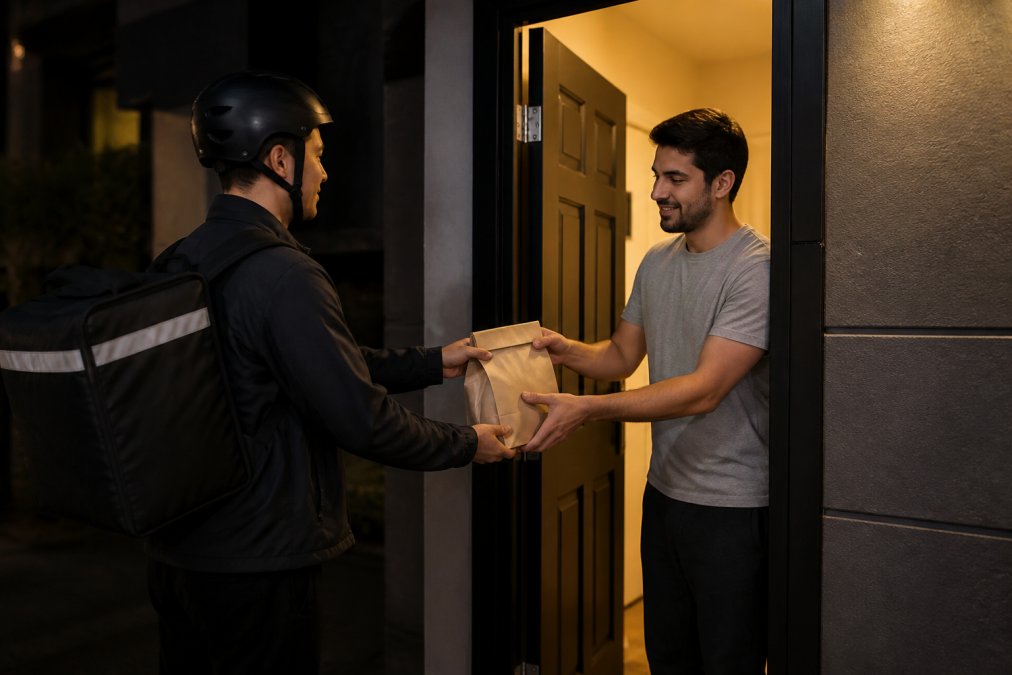
The Best Late Night Food Delivery Options That Prioritize Quality
The best late-night delivery options run high-volume kitchens where ingredients turn over fast. But volume alone isn't enough, the kitchen also has to cook to order, package for transit, and cap its delivery radius. Those three levers, not the cuisine, decide whether your food arrives hot.
A few categories consistently outperform:
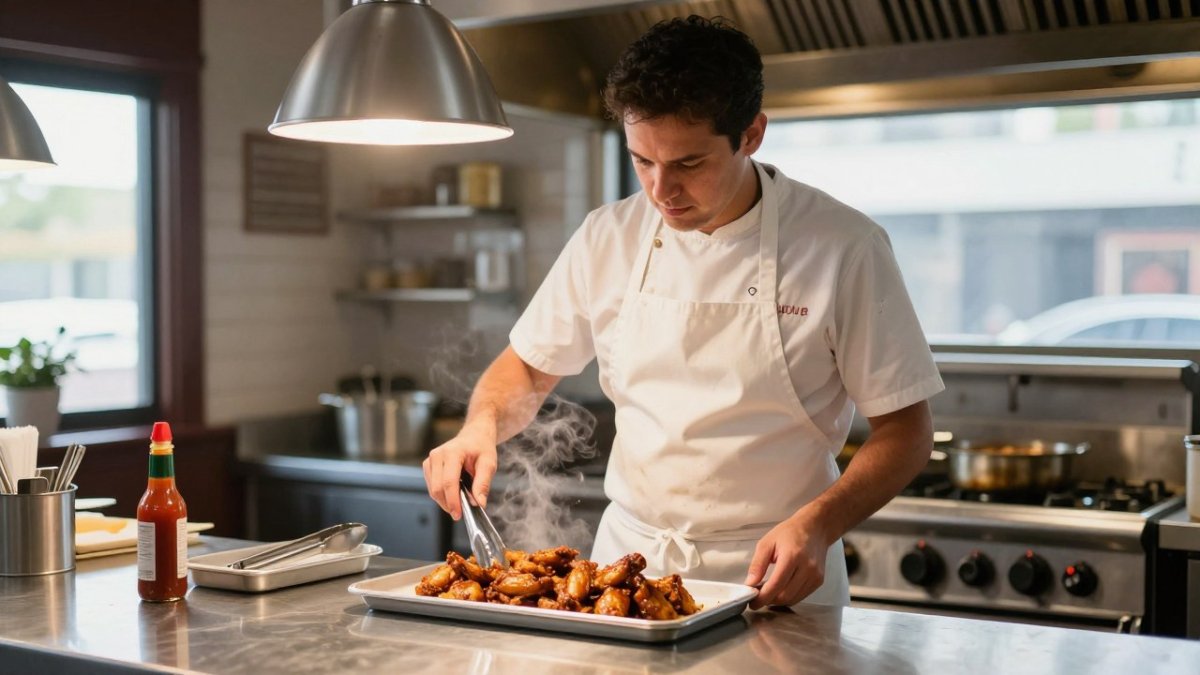
- Cooked-to-order chains. Wingstop cooks wings only after the order lands, so heat and texture survive the trip better than food sitting under a lamp. The longer quoted time is the kitchen refusing to pre-batch, a good sign.
- High-turnover diners. Lafayette Coney Island built its reputation on constant volume, which keeps ingredients moving. A diner doing steady covers at midnight is cooking continuously; a nearly empty one is reheating.
- Scratch kitchens with extended hours. O.W.L. (Open Wide Late) prepares items in-house, which holds up better than reheated batch cooking because sauces and components are made the same day.
- Delivery platforms with real tracking. DoorDash and Uber Eats show driver location and estimated arrival, telling you how long your food has been in transit, the only real-time freshness signal before the bag arrives.
What Separates High-Quality Late Night Delivery from the Rest
Three things separate a good late-night operation from a bad one, and each is checkable before you order.
How to Read a Late-Night Menu for Freshness Signals
Before you commit, scan the menu for these tells:
- Items marked "cooked to order" or with a longer prep estimate are usually fresher than items that ship in under 15 minutes.
- Fried items listed separately from sides suggests the kitchen packs them differently to preserve crunch.
- Sauces and dressings offered "on the side" mean the kitchen expects transit time and is protecting texture.
- A limited late-night menu is a feature, not a bug, it usually means the operator removed items that don't survive delivery.
None of these guarantees a great meal, but together they separate kitchens treating late-night delivery as a real service from those using it to clear inventory.
Late Night Wings and Burgers Delivery: What to Expect
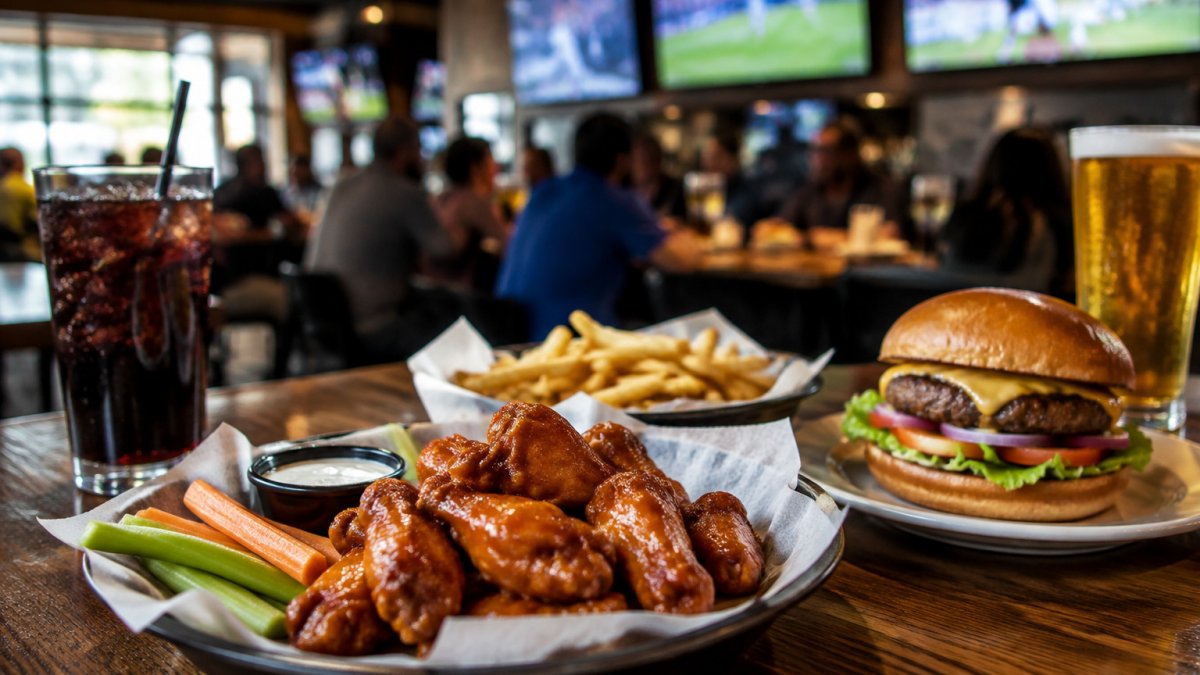
Late night wings and burgers delivery lives or dies on two variables: how the protein is cooked and how it's packed. Wings hold up when fried to order; burgers degrade fast once steam builds inside a closed container.
Here's what realistic expectations look like by item:
| Item | Freshness Window | What Kills It |
|---|---|---|
| Fried wings | 20-30 minutes | Sealed containers trapping steam |
| Burgers | 15-20 minutes | Wrapped hot, then stacked |
| Tacos | 10-15 minutes | Pre-assembled shells going soft |
| Fries | 10-15 minutes | No venting, no separate salt |
How Crowne Sports Bar & Grill Handles Late Night Orders
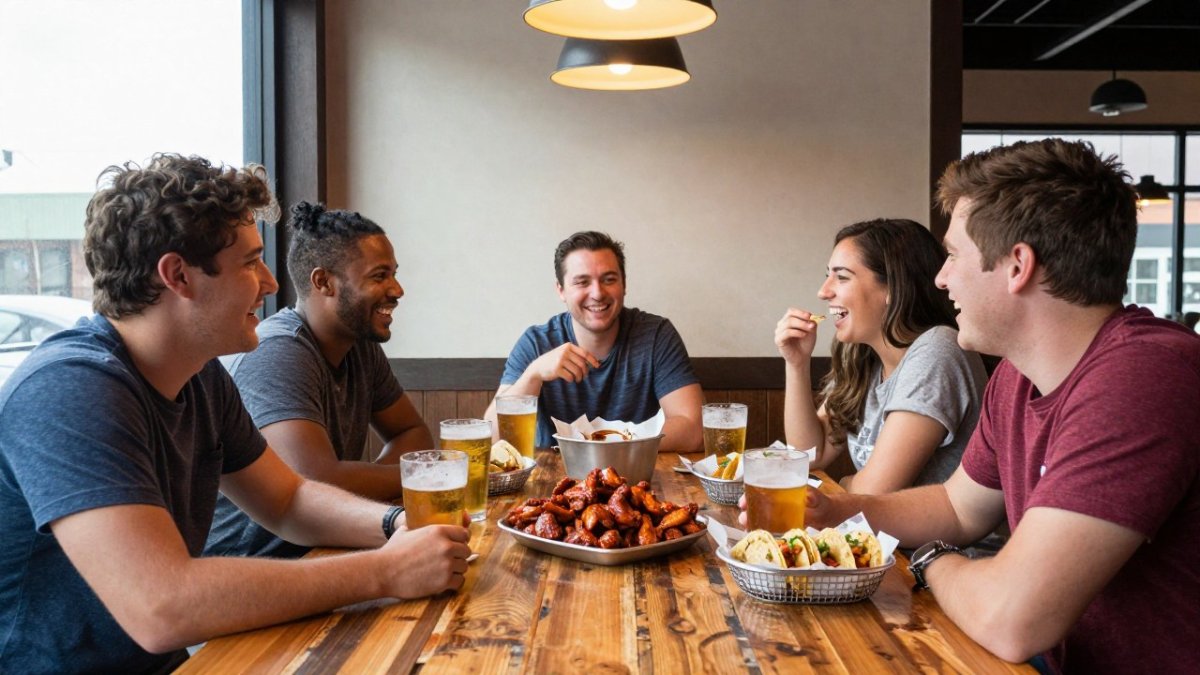
Crowne Sports Bar & Grill, on Jimmy Carter Blvd in Peachtree Corners, keeps its kitchen running for late-night eats alongside its big-screen game days. The menu covers wings, burgers, and tacos, with delivery for customers who want bar favorites at home.
Food Safety Standards for Delivery: What Restaurants Must Follow
Food safety standards for delivery in the U.S. center on temperature control and time limits, enforced at the state and local level through health department inspections. Restaurants must hold hot food at or above 140°F and cold food at or below 40°F.
- Hot holding at 140°F or above
- Cold holding at 40°F or below
- A two-hour maximum for food in the temperature danger zone
- Handwashing and glove standards for anyone handling prepared food
- Date labeling and rotation for prepped ingredients
What the Rules Don't Cover, and How to Verify Freshness Yourself
Most guides stop at the temperature numbers. The useful question is: how do you verify a specific order was handled correctly when you can't see the kitchen or the car?
A few practical checks, in order of reliability:
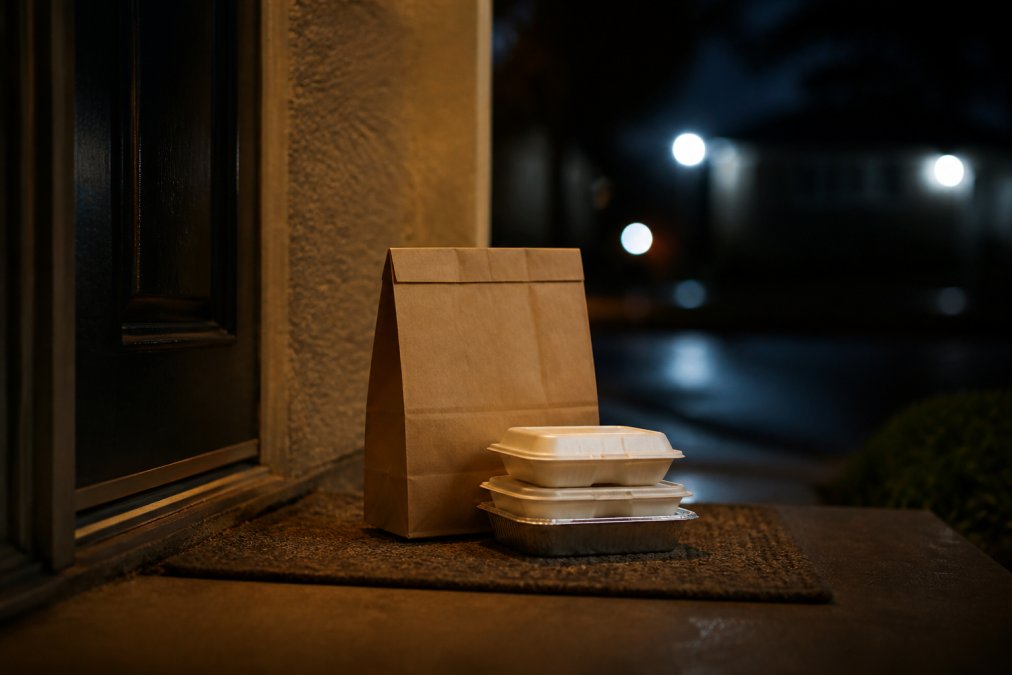
- Check the seal. Tamper-evident stickers or crimped lids mean the bag wasn't opened in transit. A loose lid or a bag that's been re-tied is a warning sign.
- Check the container type. Insulated bags and vented lids are designed for the transit window. Foil-only or thin clamshell packaging loses heat fast.
- Check the temperature by touch. Hot food should be hot to the touch through the container. Lukewarm means it sat, either in the kitchen or in the car.
- Check the inspection record. Most state and local health departments publish inspection scores by address. If a listing has no address, you can't look up a score, and you can't verify the kitchen.
How to Identify Ghost Kitchens vs. Brick-and-Mortar
A ghost kitchen is a delivery-only food operation that prepares food in a shared or commercial space without a dine-in storefront. A brick-and-mortar restaurant has a physical location you can walk into, with a visible kitchen and a health inspection history tied to that address.
How to tell them apart:
- Search the restaurant name plus "address" and see if a real storefront exists
- Check whether the listing has dine-in hours separate from delivery hours
- Look for a health inspection score tied to a physical location
- Read recent reviews that mention the actual space, not just the food
- Check whether the same address hosts multiple delivery-only brands, a common ghost-kitchen pattern
The Two-Hour Rule in Practice
The two-hour danger-zone limit sounds generous until you do the math. A typical late-night order spends time in three places: the kitchen pass, the driver's car, and your doorstep. If the kitchen holds it 15 minutes, the drive takes 20, and you take 10 to reach the door, you've burned 45 minutes before opening the bag. The practical target for hot food is arrival within 30 minutes of cook time, well inside the rule and the freshness window for fried items and burgers.
Delivery Time, Distance, and Temperature: What Affects Freshness
Delivery time is the biggest factor in whether late-night food arrives fresh, and distance drives delivery time. Every mile adds minutes, and every minute pulls hot food closer to the danger zone.
Four forces work against your order:
- Distance. A wider delivery radius means longer transit and more heat loss.
- Driver availability. During peak late-night hours, drivers get spread thin, and orders queue.
- Surge pricing. High demand raises fees, which signals a backlog, not faster service.
- Kitchen operations. If the kitchen is slammed, your food waits before it's even picked up.
How to Tell If Your Late Night Delivery Food Is Actually Fresh
You can judge freshness in about ten seconds after opening the bag:
- Temperature. Hot food should be hot to the touch. Lukewarm means it sat.
- Texture. Crispy fried food should still have crunch. Soggy means trapped steam.
- Separation. Sauces and dressings should come on the side, not already mixed in.
- Packaging integrity. Seals intact, no leaks, no grease soaking through the box.
- Smell. Freshly cooked food smells like the kitchen. Stale oil smells flat and heavy.
Cost vs. Convenience: Are Late Night Delivery Fees Worth It?
Late-night delivery fees are worth it when the alternative is going without food, and rarely worth it when you're paying a premium for food that arrives cold.
A simple way to decide:
- Compare the delivered total against the in-store menu price
- Subtract the value you place on not leaving home
- Check the estimated delivery time against the freshness windows above
- If the food will arrive past its window, the fee buys you convenience, not quality
What Most People Get Wrong About Late-Night Freshness
The assumption that late-night food is inherently lower quality is only half true. The variable isn't the hour, it's whether the kitchen is busy, cooks to order, and how far your food travels.
Frequently Asked Questions
How can you tell if late night delivery food is fresh?
Check the temperature first: hot food should arrive steaming or at least noticeably warm. Look at texture: fresh wings have crisp skin, not soggy coating, and burgers have a toasted bun rather than a steamed one. Check for separation or pooling of oils and sauces, which can signal reheating. If the food smells off or looks dried out at the edges, it likely sat under a heat lamp. Ordering from high-volume kitchens during peak late-night hours improves your odds.
Does food quality suffer during late-night delivery hours?
It can, but not automatically. The biggest factors are kitchen volume and delivery time. Restaurants with steady late-night orders turn ingredients over faster, so food is cooked closer to when you order it. Long delivery distances let heat and moisture escape, making fried food soggy and burgers cool. Choosing a restaurant within a short delivery radius and ordering during active hours helps maintain quality.
What are the best types of food to order for late night delivery?
Foods that hold heat and texture well travel best: wings with sauce on the side, burgers with toppings packed separately, tacos with fillings and shells apart, and hearty sandwiches. Avoid delicate items like salads with warm proteins or anything fried and sauced ahead of time. Late night wings and burgers delivery from a kitchen that cooks to order will almost always beat pre-made options sitting under a heat lamp.
How do restaurants maintain food safety standards for delivery?
Restaurants follow local health department rules for holding temperatures: hot food stays above 135°F and cold food below 41°F. Many use insulated bags, tamper-evident seals, and separate packaging for hot and cold items. Delivery drivers are trained to use thermal bags and minimize time between pickup and drop-off. If you are concerned, check whether the restaurant has a current health inspection score and recent customer ratings mentioning temperature.
Late-night cravings don't have to mean settling for cold food. Crowne Sports Bar & Grill keeps the kitchen running for late-night eats, with a menu of wings, burgers, and tacos built for game days and after-shift orders. Big-screen game days, happy hour, and delivery available mean you can catch the action at the bar or bring the bar favorites home. Get started with Crowne Sports Bar & Grill and see what late-night food is supposed to taste like.