 listicle
Best Craft Beer Pairings for Buffalo Wings
Table of Contents
- Why Craft Beer Pairings Matter for Buffalo Wings
- Best Beer for Spicy Food: IPAs and Hoppy Styles
- IPA with Buffalo Wings: A Classic Pairing
- Lager with Spicy Wings: Crisp and Refreshing
- Amber Ales and Maltier Styles for Sweeter Wing Sauces
- Beyond Beer: Non-Alcoholic and Lower-Alcohol Options
- How to Choose Your Perfect Pairing
- Experience Craft Beer and Wings at Crowne
- Frequently Asked Questions
Last Updated: October 10, 2026
Why Craft Beer Pairings Matter for Buffalo Wings
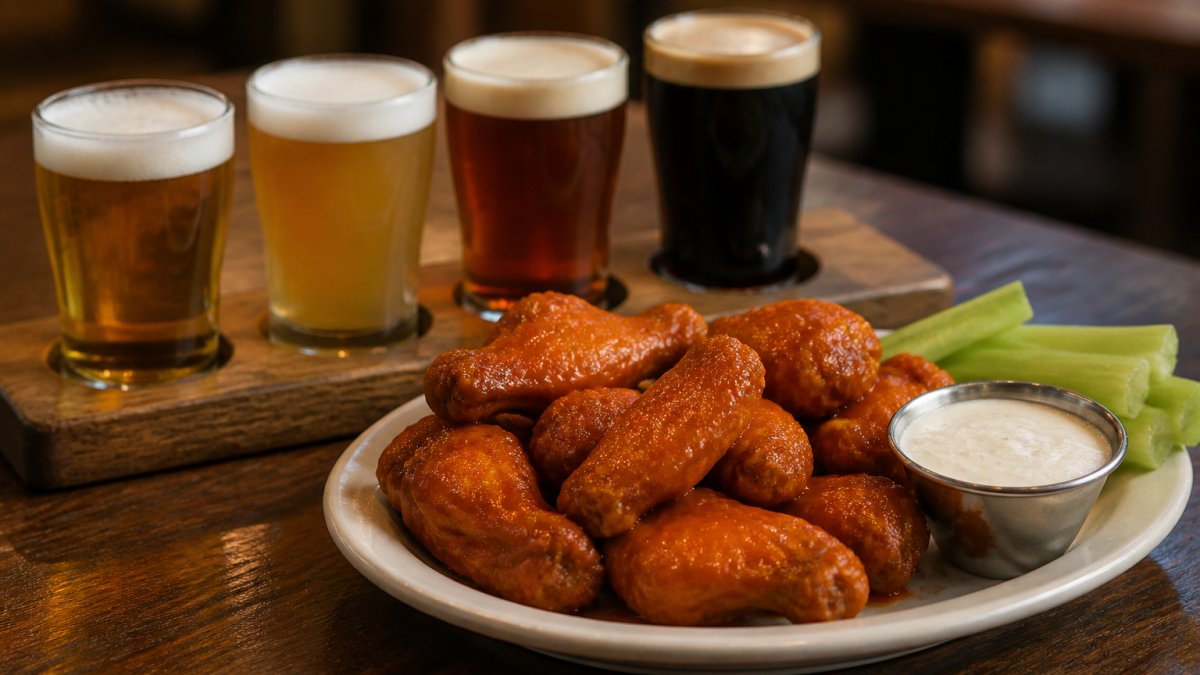
The right craft beer pairing transforms buffalo wings into a memorable experience. The heat, sauce intensity, and crispy texture demand a beer that complements or balances those flavors. At Crowne Sports Bar & Grill, we've learned that the best craft beer pairings for buffalo wings go far beyond grabbing whatever's on tap, the right pairing cools the burn, enhances the sauce's complexity, and makes both taste better together.
Most people default to whatever light beer is cheapest, a missed opportunity. When you match sauce intensity to the beer's body, carbonation, and hop profile, the entire experience shifts. A crisp pilsner cuts through fatty wings differently than a bold IPA; a malty amber ale complements sweet barbecue sauce in ways a hoppy pale ale cannot. This guide breaks down which beer styles work best with specific wing preparations.
Best Beer for Spicy Food: IPAs and Hoppy Styles
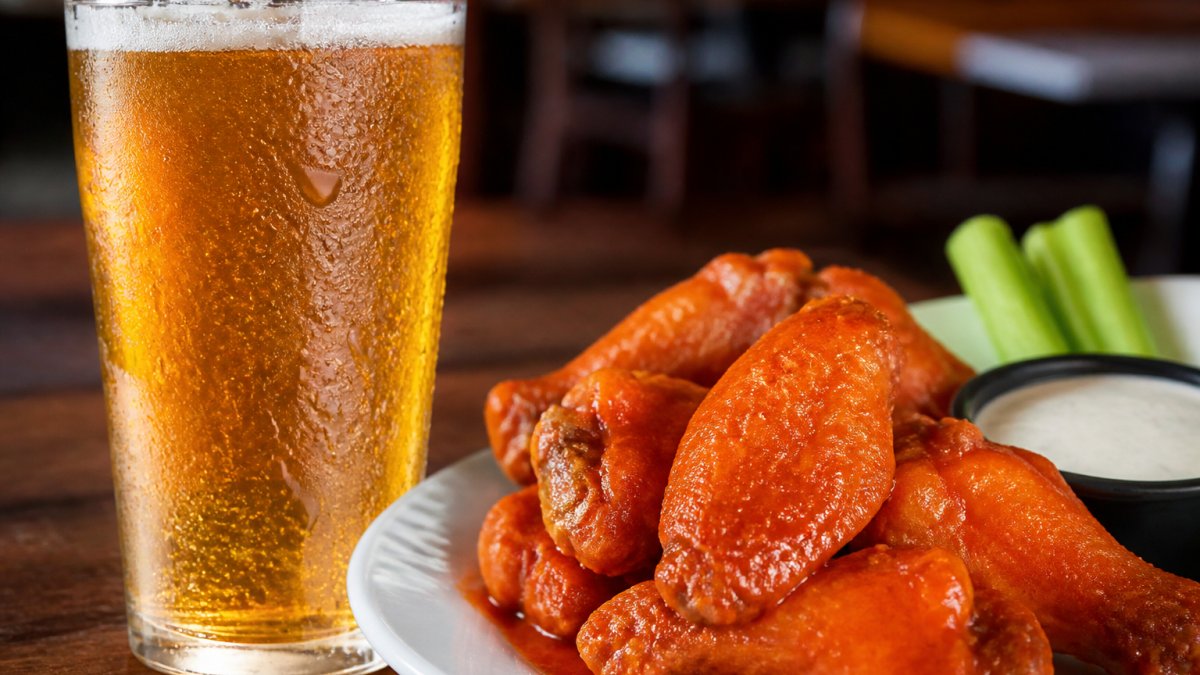
IPAs and hoppy ales are the go-to choice for traditional buffalo wings. Contrary to popular belief, hops don't cool spice the way carbonation does. Instead, the bitterness and bold flavors in an IPA stand up to the tangy, acidic heat of classic buffalo sauce without getting overwhelmed, creating balance rather than conflict.
How Hops and Bitterness Cool the Heat
The bitterness in hoppy beers competes with capsaicin (the compound that makes peppers hot) for your taste receptors, reducing heat perception without relying on dairy or sugar. The carbonation in IPAs also plays a crucial role: the bubbles physically cleanse your palate, washing away residual sauce and resetting your taste buds for the next bite.
A hoppy beer's citrus and pine notes echo the vinegar in traditional buffalo sauce, creating harmony. This is why IPAs consistently rank as the top choice for spicy wings.
Top IPA Options for Traditional Buffalo Wings
Session IPAs deliver flavor benefits without alcohol weight, ideal for eating multiple wings.
Sloop's Juice, a hazy IPA, adds body and texture from suspended yeast and proteins, complementing fried wings' crispy exterior while managing heat. Clear IPAs feel more refreshing; hazy IPAs feel more substantial.
IPA with Buffalo Wings: A Classic Pairing
The pairing of IPA with buffalo wings has become classic because it works across most sauce variations, from mild to extremely hot, with both emphasizing bold, assertive flavors.
American Pale Ales and Session IPAs
American pale ales deliver hoppy character without aggressive bitterness.
Session IPAs (4-5% ABV) offer the same flavor profile in a lighter package, ideal when eating multiple wings over several hours without alcohol fatigue.
Lager with Spicy Wings: Crisp and Refreshing
Lagers offer contrast to spicy wings rather than matching intensity. A crisp, clean lager provides relief, with higher carbonation than ales creating aggressive palate cleansing, a reset button after each bite.
Pilsners and Hoppy Lagers
Pilsners are the lager category's best match for wings, bringing subtle hop character without aggressive bitterness.
Pilsners' notably higher carbonation cuts through fatty wing coating and washes away sauce residue, providing the best palate refresh between bites without leaving you full.
Amber Ales and Maltier Styles for Sweeter Wing Sauces
When wings shift toward sweeter flavor profiles, honey garlic, barbecue, or sweet chili, hoppy beers feel thin and one-dimensional. Amber ales and maltier styles work better.
Malty sweetness echoes the sauce's sweetness, creating harmony. The malt backbone adds body substantial against richer preparations, providing balance where a pilsner would feel too light and an IPA too aggressive.
Beyond Beer: Non-Alcoholic and Lower-Alcohol Options
Excellent non-alcoholic and lower-alcohol pairings exist for wings, following the same sensory principles as beer pairings: match carbonation, flavor intensity, and palate-cleansing power to your sauce.
Non-Alcoholic Craft Beverages
Ginger beer and spiced sodas are the closest non-alcoholic parallel to hoppy beer for spicy wings. Craft ginger beers bring genuine ginger heat and higher carbonation (around 2.5 volumes of CO₂), providing bold flavor that stands up to hot sauce. The carbonation aggressively cleanses your palate between bites, working as well as a session IPA for traditional buffalo wings.
Sparkling ciders (alcohol-free versions) pair beautifully with sweet wing sauces. Apple cider's natural tartness and subtle sweetness echo honey-garlic or barbecue sauces without cloyingness. Brands like Angry Orchard deliver the same flavor profile as alcoholic versions, balancing sweet-spicy sauces better than hoppy beer.
Kombucha (typically 0.5% ABV or less) offers natural carbonation, acidity, and subtle funk that complement spicy and savory wing sauces. Its lower carbonation than beer won't aggressively reset your palate, working better for sauces where you want flavors to develop.
Sparkling water with citrus or herbs is the minimalist option, providing pure palate cleansing for extremely spicy wings without flavor interference.
Lower-Alcohol Craft Beers (Session Styles)
Lower-alcohol craft beers (3-5% ABV) deliver full flavor without significant alcohol impact, ideal for extended eating and drinking sessions or multiple wing orders.
Session IPAs (3.5-5% ABV, 30-50 IBU) provide the same hoppy character as full-strength IPAs with less body and alcohol weight. Examples include Founders All Day IPA and Lagunitas DayTime IPA, offering bitterness that competes with capsaicin and carbonation that cleanses your palate.
Session pale ales (4-4.5% ABV) bridge IPAs and lighter beers, handling medium-heat sauces without aggressive bitterness.
Light lagers and pilsners already sit in the 4-5% ABV range. Craft versions offer better carbonation control and refined flavor, craft pilsners often have subtle hop character that adds interest without overwhelming spicy wings.
Session amber ales (4-5% ABV) provide malty sweetness for barbecue or sweet wing sauces without heaviness, drinkable across multiple wings without fatigue.
Why Lower-Alcohol and Non-Alcoholic Options Matter
These alternatives serve practical purposes: lower-alcohol options prevent fatigue during long events and allow tasting multiple sauces; non-alcoholic options ensure everyone can participate regardless of dietary restrictions; and they deliver sensory satisfaction for those managing health conditions or medications.
Choose based on the same principles: match carbonation to heat level, flavor intensity to sauce complexity, and decide whether you want contrast or complement.
How to Choose Your Perfect Pairing
The decision comes down to understanding how beer's properties, bitterness, alcohol content, carbonation, and malt sweetness, interact with spice, acidity, and richness in wing sauces.
Match Heat Level to Beer Style and Understand the Mechanism
Mild sauces (under 1,000 SHU): Garlic-butter, lemon-pepper, and teriyaki-style wings prioritize flavor complexity over heat management. Light lagers and pilsners work because their clean, crisp profile lets subtle notes shine. Session IPAs also work, though their bitterness may overshadow delicate flavors.
Medium sauces (1,000-5,000 SHU): Traditional buffalo, medium-hot, and barbecue-style sauces. American pale ales and standard IPAs excel because their bitterness (30-50 IBU) competes with capsaicin while citrus or pine notes echo sauce acidity.
Hot sauces (5,000-15,000 SHU): Extra-hot buffalo, habanero, and ghost-pepper wings. Full-bodied IPAs (50-70+ IBU, 6-8% ABV) match intensity; higher alcohol numbs heat perception while elevated bitterness stands up to capsaicin. Aggressive carbonation cleanses palate and resets taste buds faster.
Extremely hot sauces (above 15,000 SHU): Carolina Reaper, Trinidad Scorpion, and pure capsaicin extracts prioritize heat management over flavor. Crisp lagers and pilsners with very high carbonation (2.7+ volumes of CO₂) perform best. Alcohol should be moderate (4-5% ABV), higher alcohol intensifies heat. Avoid malty or sweet beers.
Consider Sauce Richness and Flavor Profile
Sauce composition shapes pairing: rich, creamy sauces pair with hoppy beers or crisp lagers that cut through fat; vinegar-forward sauces pair with pale ales and IPAs with citrus notes; sweet sauces demand malty beers that complement rather than fight sweetness.
Carbonation and Serving Temperature
Carbonation level is critical. High carbonation (2.3-2.7 volumes of CO₂) aggressively cleanses your palate, ideal for spicy wings. Lower carbonation (1.5-2.0 volumes) lets flavors linger and meld, better for sweet or complex sauces.
Serving temperature affects both perception and carbonation release. Cold beer (35-40°F) emphasizes carbonation bite and crispness, amplifying the palate-cleansing effect, ideal for spicy wings. Slightly warmer beer (45-50°F) opens up flavor complexity and reduces carbonation's aggressive edge, allowing subtle notes to emerge, better for sweet or nuanced sauces. For wings, err toward colder: the temperature contrast with hot food creates a satisfying sensory experience and maximizes carbonation's cleansing power.
| Heat Level | Sauce Type | Best Beer Style | Why It Works |
|---|---|---|---|
| Mild | Garlic, butter-based, lemon-pepper | Pilsner, light lager, session IPA | Carbonation refreshes; clean profile lets sauce shine |
| Medium | Traditional buffalo, medium hot | American pale ale, IPA (30-50 IBU) | Bitterness competes with capsaicin; citrus echoes vinegar |
| Hot | Extra-hot buffalo, habanero | Full-bodied IPA, double IPA (50-70+ IBU) | Bold flavors and high carbonation match intensity |
| Extremely Hot | Carolina Reaper, extreme extracts | Crisp lager, pilsner (high carbonation) | Carbonation's physical action prioritized over flavor |
| Sweet | Honey-garlic, barbecue, teriyaki | Amber ale, brown ale, malty lager | Malt sweetness complements sauce; lower carbonation |
| Mixed | Spicy BBQ, Thai chili, sweet-hot | Session IPA or amber ale | Moderate intensity and carbonation balance both elements |
Experience Craft Beer and Wings at Crowne
The best way to discover your ideal pairing is to taste multiple options with the same wings. At Crowne Sports Bar & Grill on Jimmy Carter Blvd in Peachtree Corners, we stock a rotating selection of craft beers specifically chosen to complement our wing menu. Whether you're catching a game, enjoying happy hour, or ordering delivery, our team can recommend pairings based on which wing sauce you choose.
Our big-screen setup and late-night hours make Crowne the perfect spot to experiment with different beer-and-wing combinations. Order a few styles, taste them side-by-side with our wings, and develop your personal preference. That's how you move from "just grabbing a beer" to actually understanding what works.
Choosing the right craft beer for buffalo wings elevates the entire experience. The best craft beer pairings for buffalo wings depend on matching the beer's intensity and flavor profile to your sauce. At Crowne Sports Bar & Grill, we've built our beer selection around these principles, ensuring every pairing works.
Frequently Asked Questions
What beer goes best with Buffalo wings?
IPAs and pale ales are top choices for traditional buffalo wings because their hoppy bitterness and carbonation balance the tangy, spicy sauce. Crisp lagers and pilsners work equally well if you prefer something lighter and more refreshing. Amber ales suit sweeter or honey-glazed wing sauces. The best pairing depends on both the heat level of your sauce and your personal taste preference.
Do IPAs pair well with spicy wings?
Yes. IPAs are excellent with spicy wings because hops contain compounds that interact with capsaicin (the heat in hot sauce) and create a cooling sensation on your palate. The bold, hoppy flavors stand up to aggressive wing sauces without being overpowered. Session IPAs offer the same benefit with lower alcohol content, making them ideal for longer game-day sessions at Crowne Sports Bar & Grill.
What craft beer helps cool the heat of Buffalo sauce?
Hoppy beers like IPAs, pale ales, and hoppy lagers cool spicy heat through their bitterness and carbonation, which cleanse your palate between bites. Crisp pilsners and light lagers also refresh your mouth without adding sweetness. Avoid sweet or malty beers with extra-hot wings, as they can amplify the heat sensation. The carbonation and bitterness work together to provide relief from intense sauce.
Is lager or ale better with Buffalo wings?
Both work, but for different reasons. Lagers with spicy wings offer crisp, clean refreshment and are lighter-bodied, perfect if you want a break from the heat. Ales, particularly hoppy styles like IPAs and pale ales, provide bold flavors that complement and balance bold wing sauces. Choose lager for a lighter experience and ale for a more flavorful pairing. At Crowne, you'll find both options available to match your preference.
What beer pairs best with extra-hot wings?
Extra-hot buffalo wings pair best with beers that won't be overwhelmed by intense heat. Beers with bold flavors and bitterness have the body and bitterness to stand up to extreme spice. Avoid light or sweet beers with extra-hot sauce, as they'll clash. A crisp, highly carbonated lager can also work if you prefer refreshment over bold flavor contrast.